
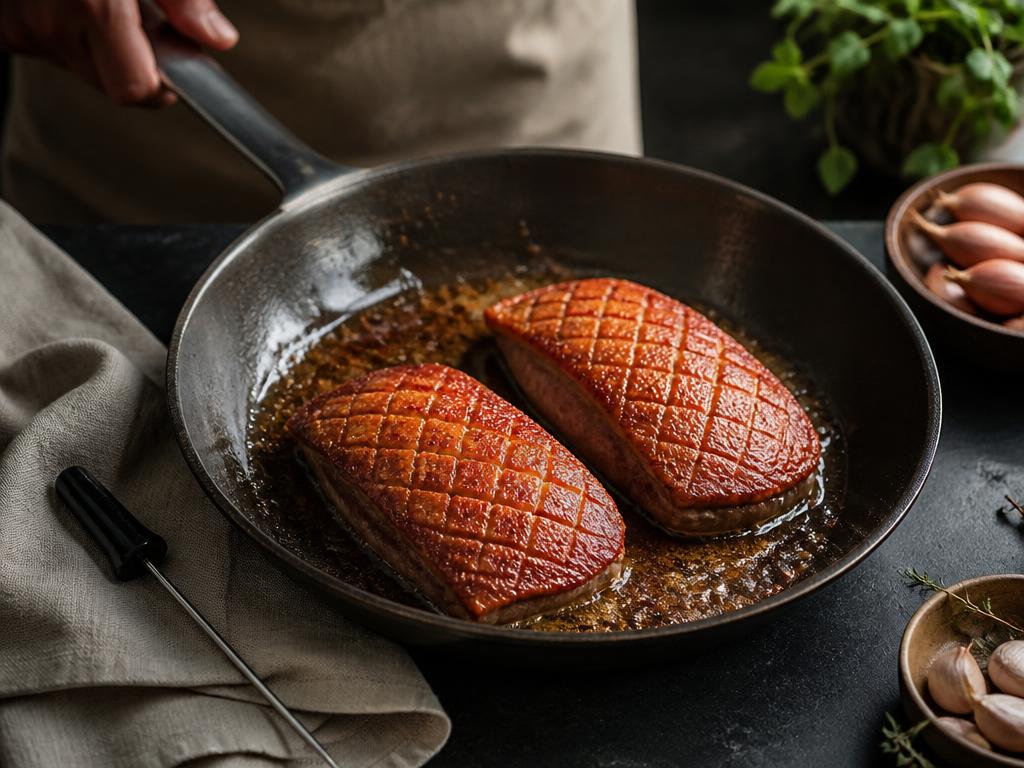
Duck breast
Pan-Seared Duck Breast
Score, render cold, and finish hot for shatteringly crisp skin over a rosy, evenly cooked centre.
- Total
- 28 min
- Serves
- 2
- Level
- Easy
Complete recipes, each written around the variable that actually decides the outcome: how the fat renders and where you pull the meat. Ingredients, method, temperatures, and the fixes for when it goes sideways.

Score, render cold, and finish hot for shatteringly crisp skin over a rosy, evenly cooked centre.
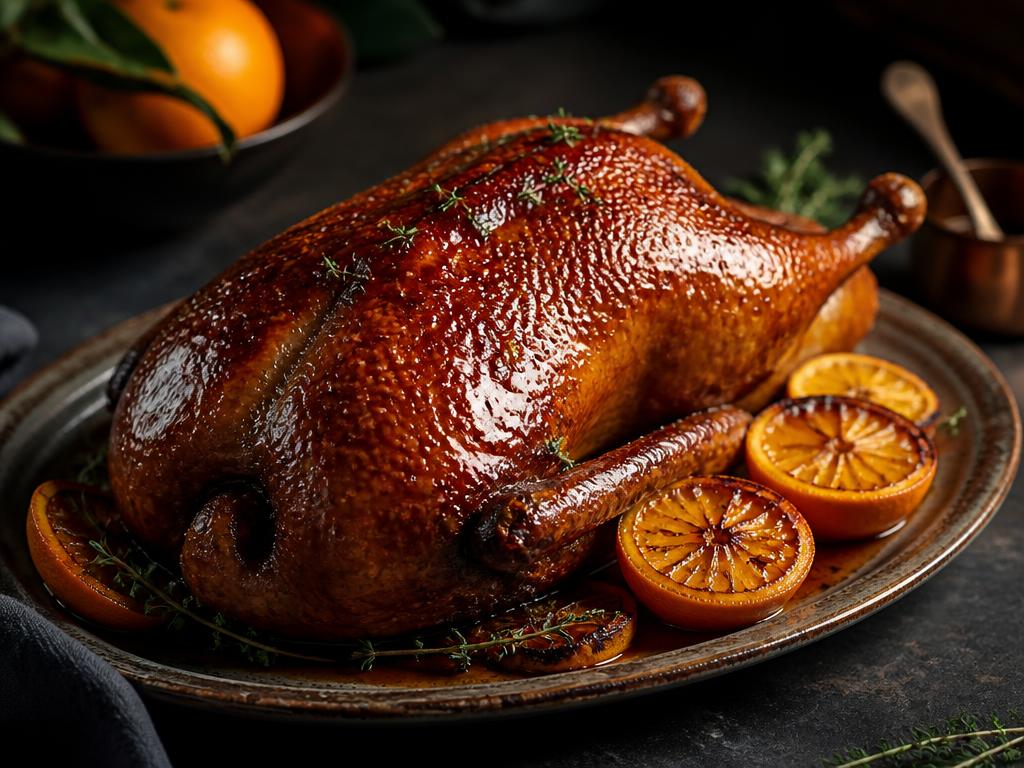
A whole duck roasted in two stages, served with a bitter-orange gastrique built from the pan drippings — sharp and glossy rather than sweet.
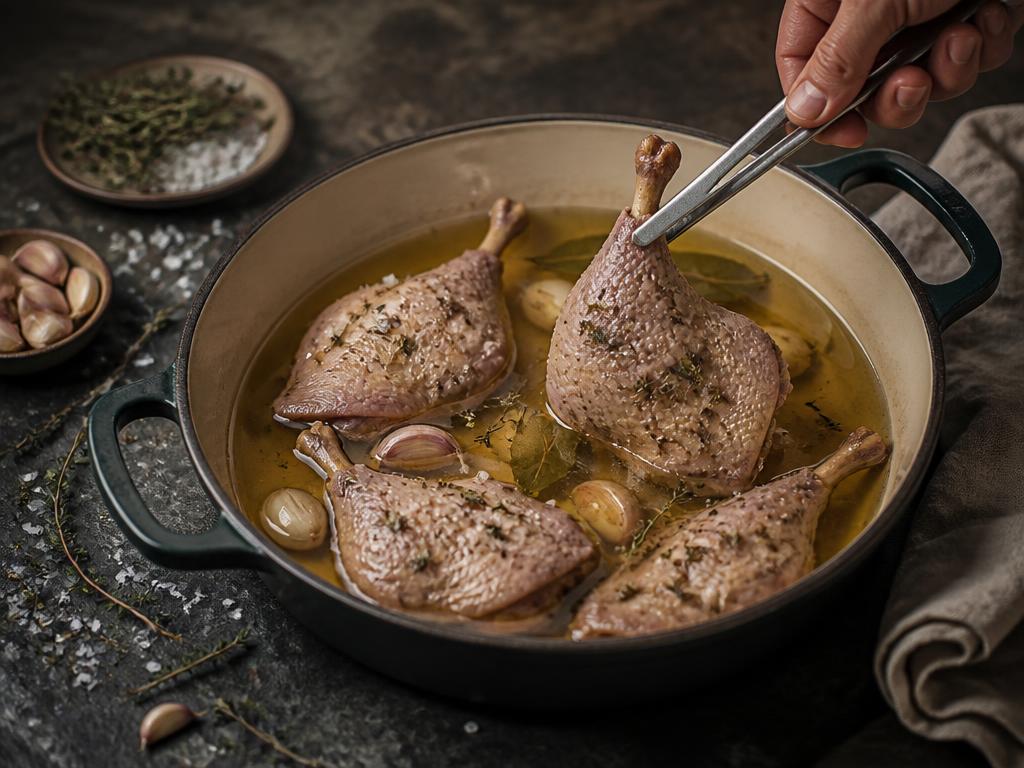
Salt-cured legs poached slowly in their own fat, then crisped to order — the most forgiving duck there is.
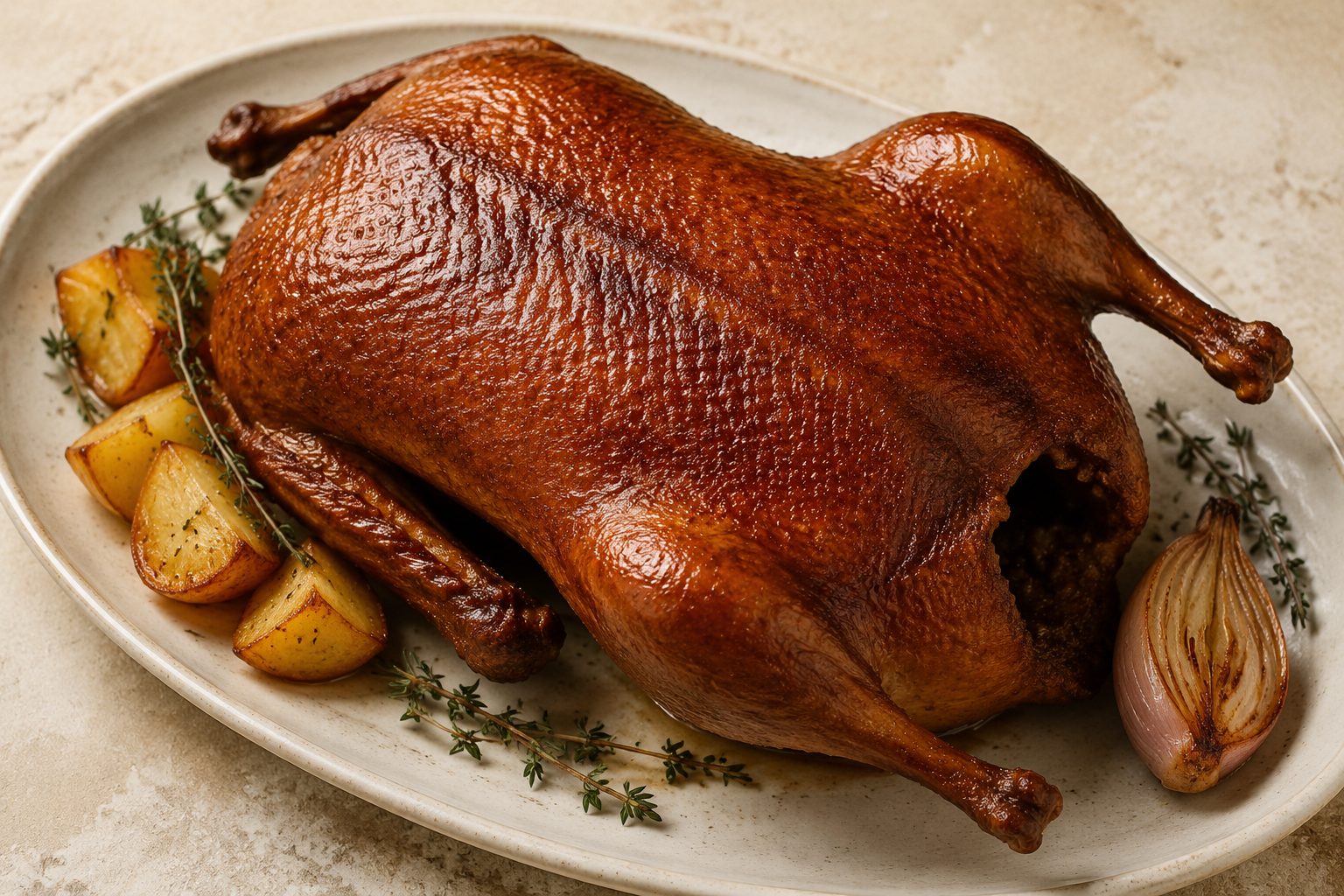
A two-stage roast that renders the fat cap, keeps the breast juicy, and gets the legs fully tender.
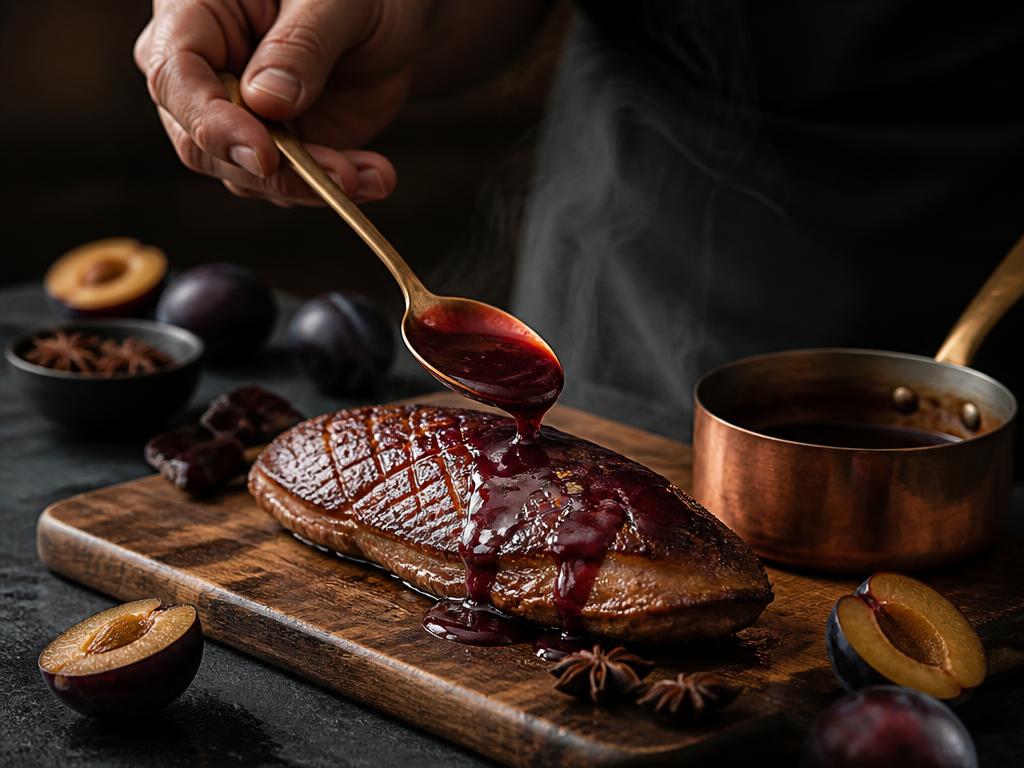
Gentle smoke, careful temperature control, and a sharp-sweet plum reduction to cut the richness.
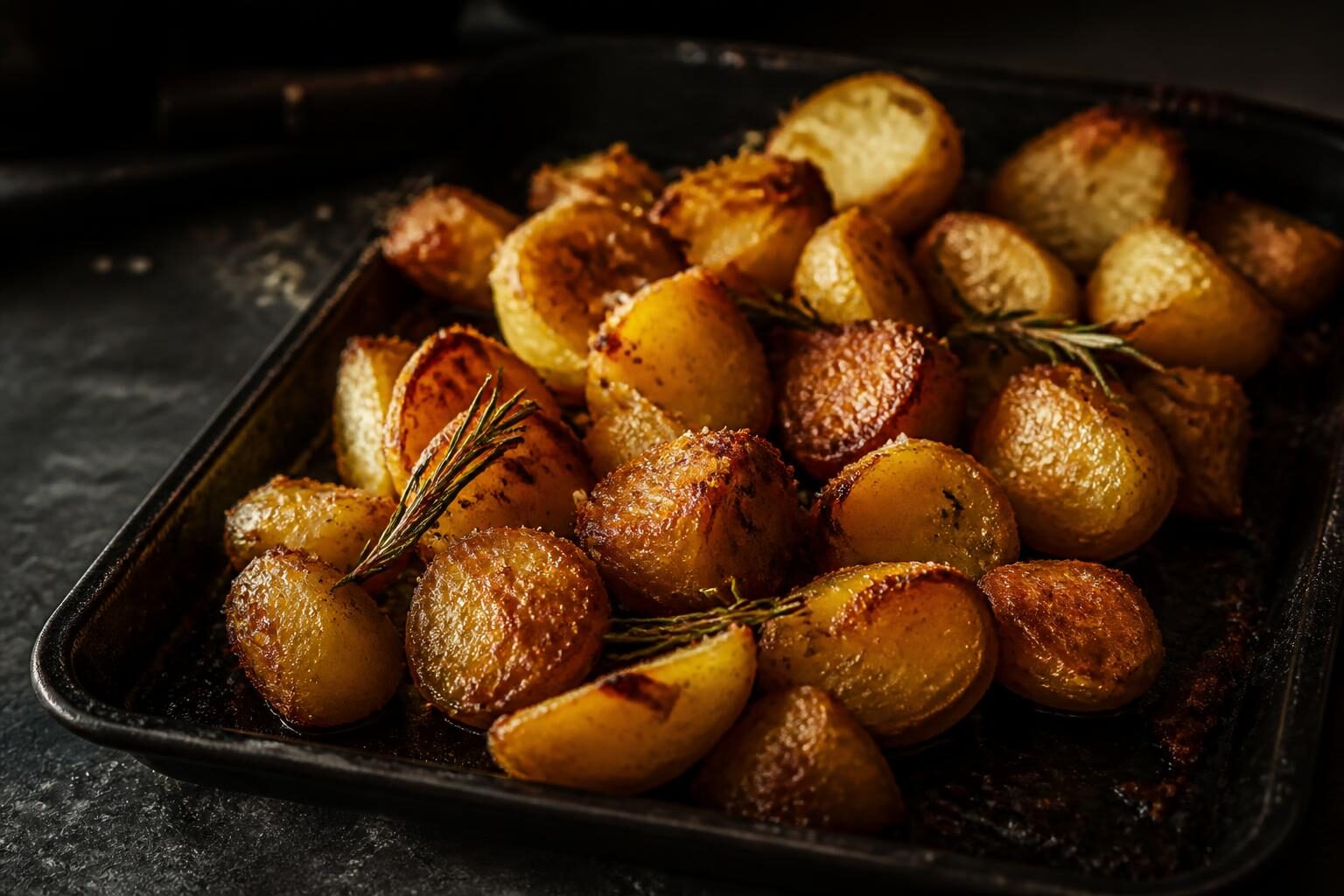
Parboiled, roughed up, and roasted in preheated duck fat until the outsides shatter and the insides stay fluffy.
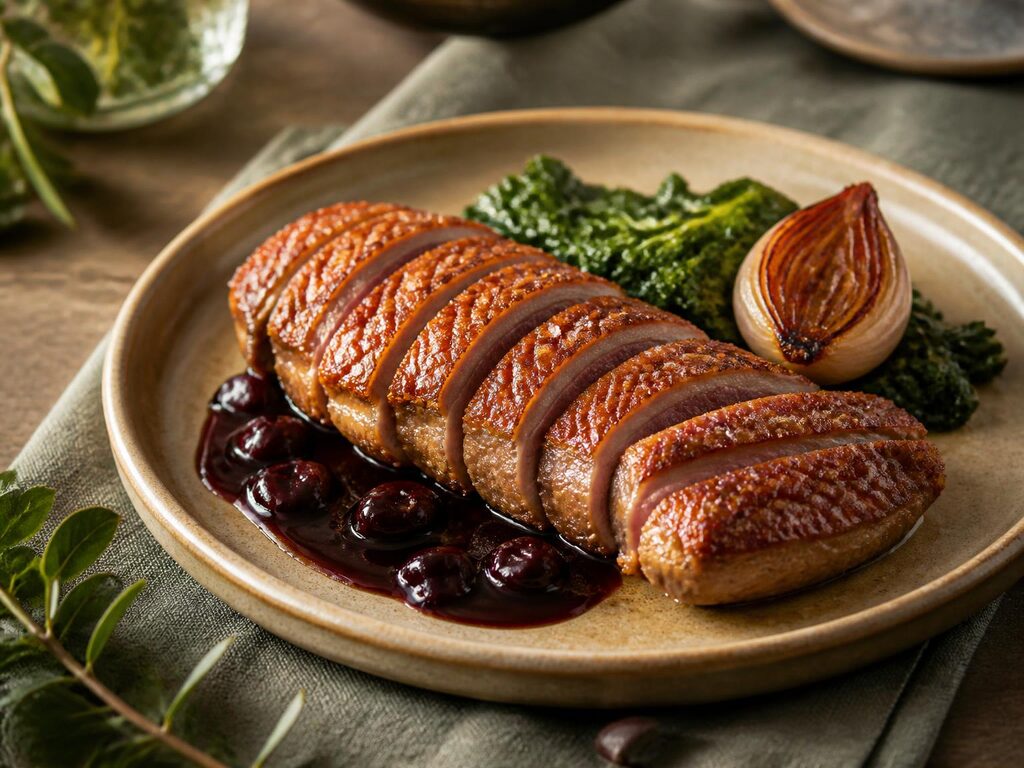
Air fryer duck breast with crisp skin: render the fat gently, finish at high heat, and use a thermometer while managing smoke and hot rendered fat.
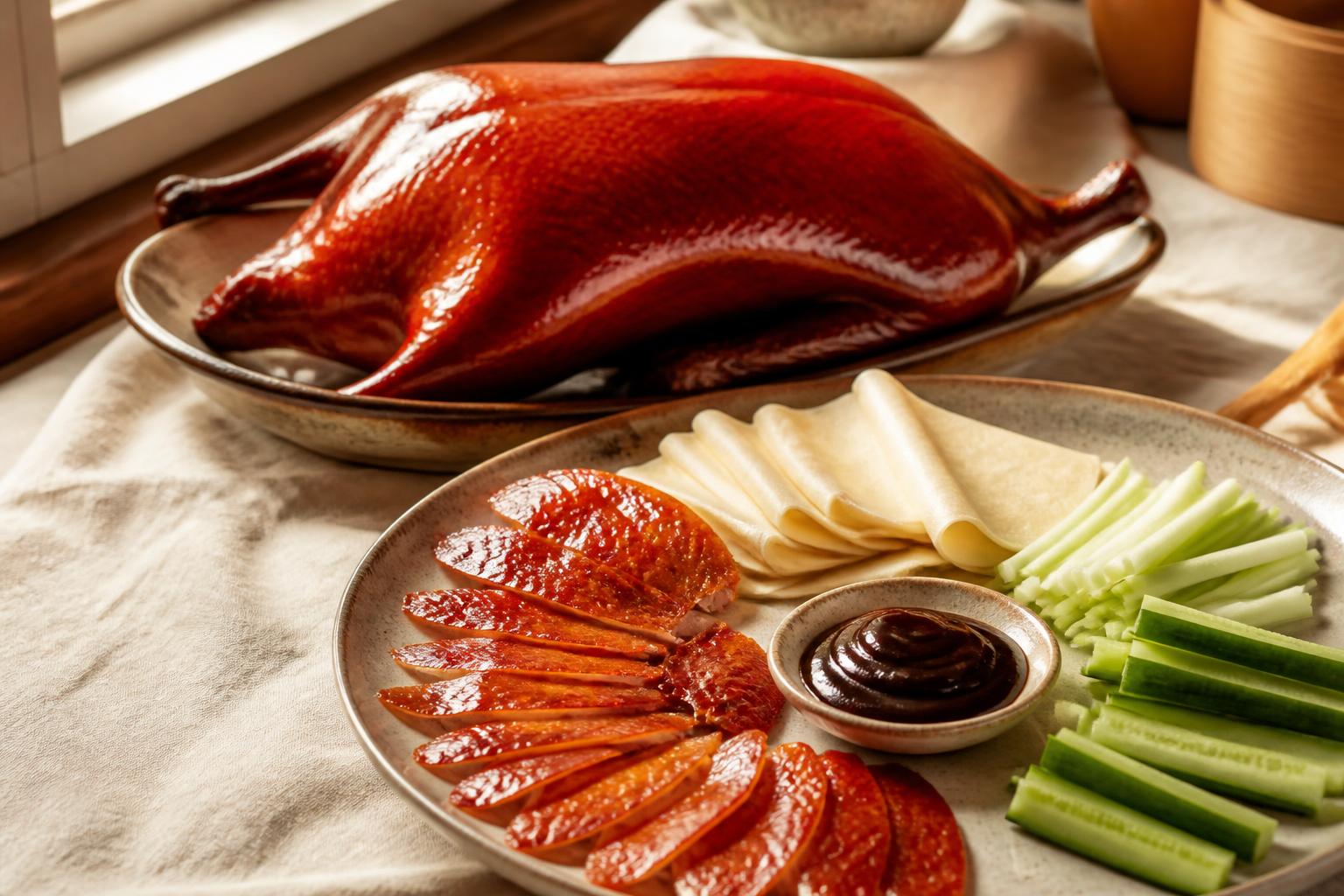
A home cook's route to lacquered, shatter-crisp Peking-style duck: air-dry, scald, glaze, and roast, served with pancakes, scallion and hoisin.
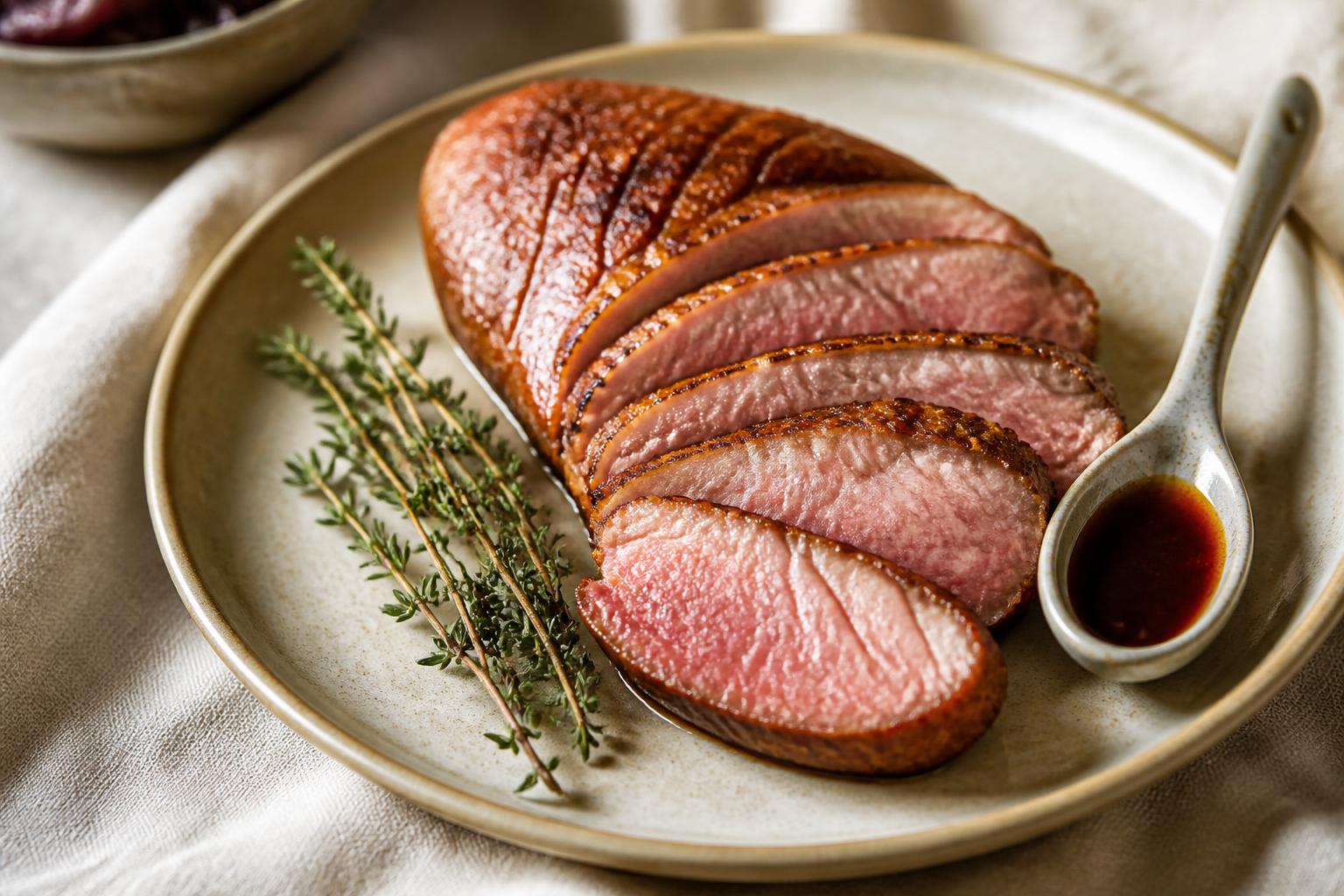
Duck breast rendered in a skillet and finished in the oven — the steadier route to crisp skin and an even rosy centre when you are cooking four or more.
Breast, whole bird, legs, and the fat — the method behind every recipe here, cut by cut.
Want the technique behind the recipe? The Cook guides go deeper on method, and the calculators handle timing, scaling, and doneness.
Every recipe here gives you a target internal temperature alongside the timings, because duck varies more than its cooking times suggest. Bird weight, starting fridge temperature, pan material, and how much fat you pour off all move the clock. The thermometer is what makes the recipe repeatable.
Rich duck also needs a plate built around it. Acidity, tart fruit, bitter greens, and briny or savoury accents cut through the fat far better than extra sweetness, and the rendered fat you collect belongs on the potatoes rather than in the bin.
Pick by cut if you already have the duck, or by occasion if you are planning ahead. Confit and smoked duck are make-ahead dishes that suit a busy day; breast is a twenty-minute dinner that wants your full attention for the first ten.
If you have never cooked duck, start with a pan-seared duck breast and a pan sauce. It is a twenty-minute dinner, it needs one pan and a thermometer, and it teaches the single skill everything else depends on: rendering the fat out of the skin slowly in a cold pan before the heat comes up. Once that clicks, duck à l'orange, cherry sauce, and a five-spice glaze are variations rather than new techniques.
The next step up is a whole roast duck — the Sunday-lunch or holiday centrepiece. It is more forgiving than a turkey because the bird bastes itself, but it needs the fat poured off during the roast and a thigh reading of 175–180°F (79–82°C) before you carve. USDA's safe minimum internal temperature for duck is 165°F (74°C); where a recipe here offers a pink breast range instead, it says so and explains that the choice departs from that guidance. Duck confit is the most impressive dish here and, oddly, one of the least stressful: the legs cook low and slow, then wait in their own fat until the day you want them.
Duck wants a counterweight. Tart fruit is the classic answer — sour cherry, orange, plum, blackcurrant, rhubarb — and it works because acid cuts fat, not because it adds sweetness. Keep sugar restrained; a glaze that caramelises too far reads as dessert and buries the meat. Red-wine and port reductions, verjus, sherry vinegar, and pomegranate do the same job with less sugar.
For sides, think bitter and starchy. Frisée, radicchio, chicory, braised red cabbage, and mustardy greens all hold their own. Potatoes roasted in the fat you just poured off are non-negotiable, and duck-fat parsnips, celeriac, or white beans absorb it just as well. Something briny — olives, capers, cornichons, preserved lemon — sharpens a rich plate at the end.
Our baseline is one whole five- to six-pound duck for three to four people, or one breast per person; a large Moulard magret serves two when sliced. Treat that as a starting point rather than a rule — yield moves with bird size, how hungry the table is, and how substantial the sides are. For a bigger table, roast two birds rather than one large one: the timing barely changes and the skin crisps better with air around each bird.
Confit, rillettes, smoked breast, and duck ragù are all better made a day ahead, which makes them the right choice for a holiday menu where the oven is contested. Leftover roast duck shreds into ramen, tacos, hash, or a salad with citrus and bitter leaves, and the carcass makes a stock with more body than chicken. Refrigerate cooked duck within two hours, use it within three to four days, and reheat it to 165°F (74°C).
Which duck you buy shapes the recipe too. Pekin is the mild, fatty, widely available bird behind most roast-duck and Peking-style recipes. Moulard gives you the large lean magret that suits searing and slicing, and its legs are the standard choice for confit. Muscovy is leaner with a deeper flavour. Wild duck needs its own fast treatment because it carries almost no fat — and being poultry, it is covered by the same 165°F guidance, so serving it pink is a culinary choice made against that recommendation. If a recipe specifies a breed, that is why.