
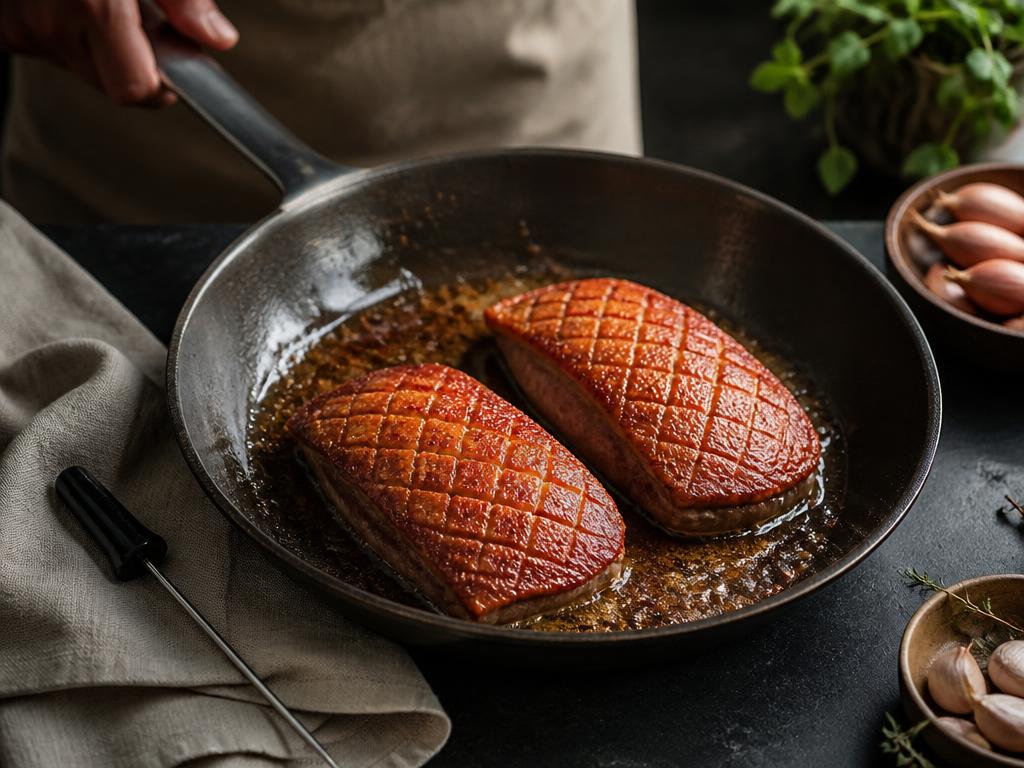
Duck breast
Pan-Seared Duck Breast
Score, render cold, and finish hot for shatteringly crisp skin over a rosy, evenly cooked centre.
- Total
- 28 min
- Serves
- 2
- Level
- Easy
Every guide here is built around the one variable that decides whether duck is excellent or disappointing: how you manage fat and temperature. Start with a cut, or start with a technique.
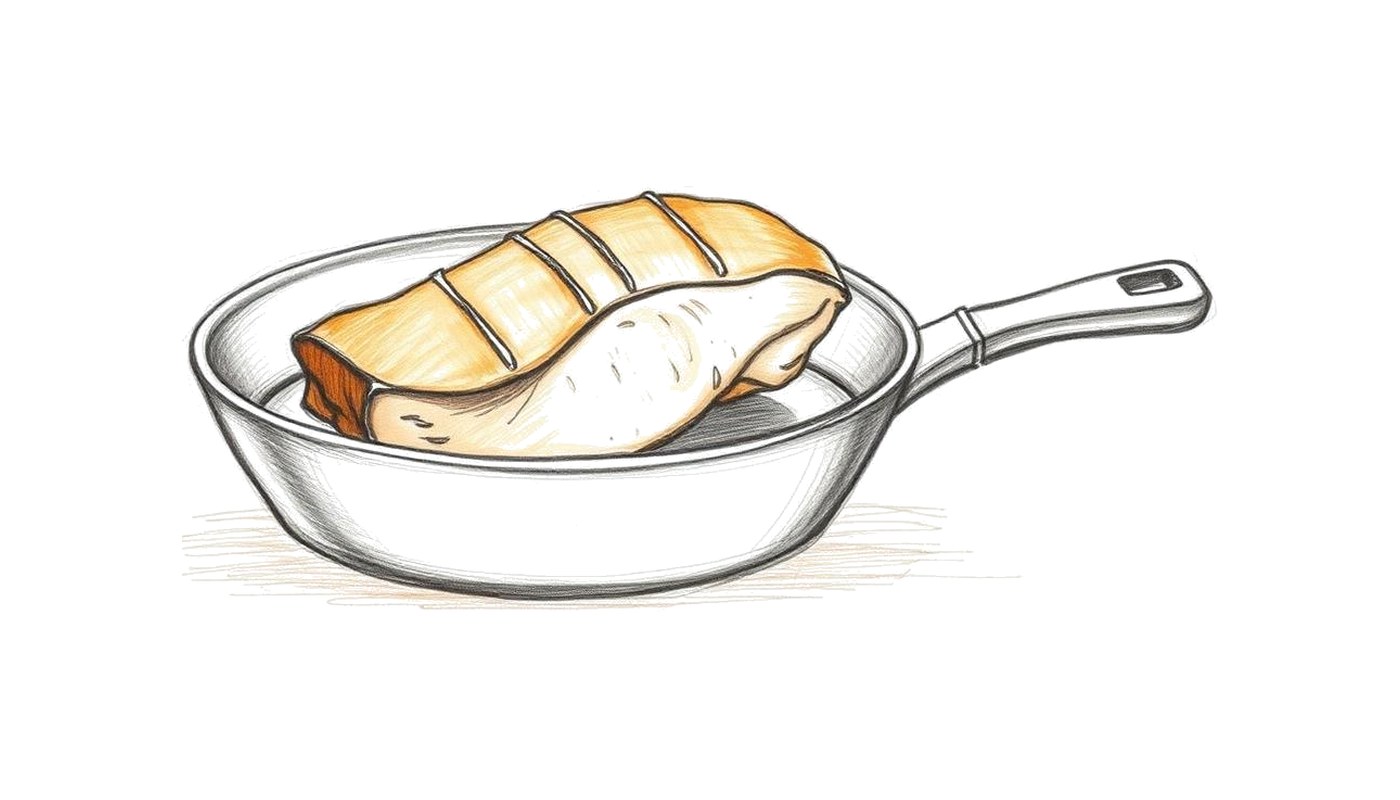
The fastest route to a very good duck dinner, and the cut with the least forgiveness. Start with the method, then choose a sauce and sides.
The cold-pan method, why it works, and how to rescue it when it doesn't.
11 min read
Five sauce families, and which cooking method each one flatters.
9 min read
A side-dish matrix built from your sauce, your season and your occasion.
8 min read
Centrepiece roasting: planning, fat management, and getting the legs done without ruining the breast.
The full workflow, from dry-fridge prep to a rested, carvable bird.
12 min read
The slow, forgiving, make-ahead side of duck cooking — and what to do with the fat it produces.
Cure, poach, chill, crisp — and the storage rules people get wrong.
12 min read
Where duck fat beats butter or oil, and where it's just expensive.
10 min read
Leaner, smaller, and far more variable than anything in a supermarket. Different bird, different method.
A decision tree for lean, unpredictable birds — skin on or off.
10 min read
Full recipe pages with ingredients, step-by-step method, temperature targets, and Recipe structured data. Start here, then follow the technique guides above.
Score, render cold, and finish hot for shatteringly crisp skin over a rosy, evenly cooked centre.
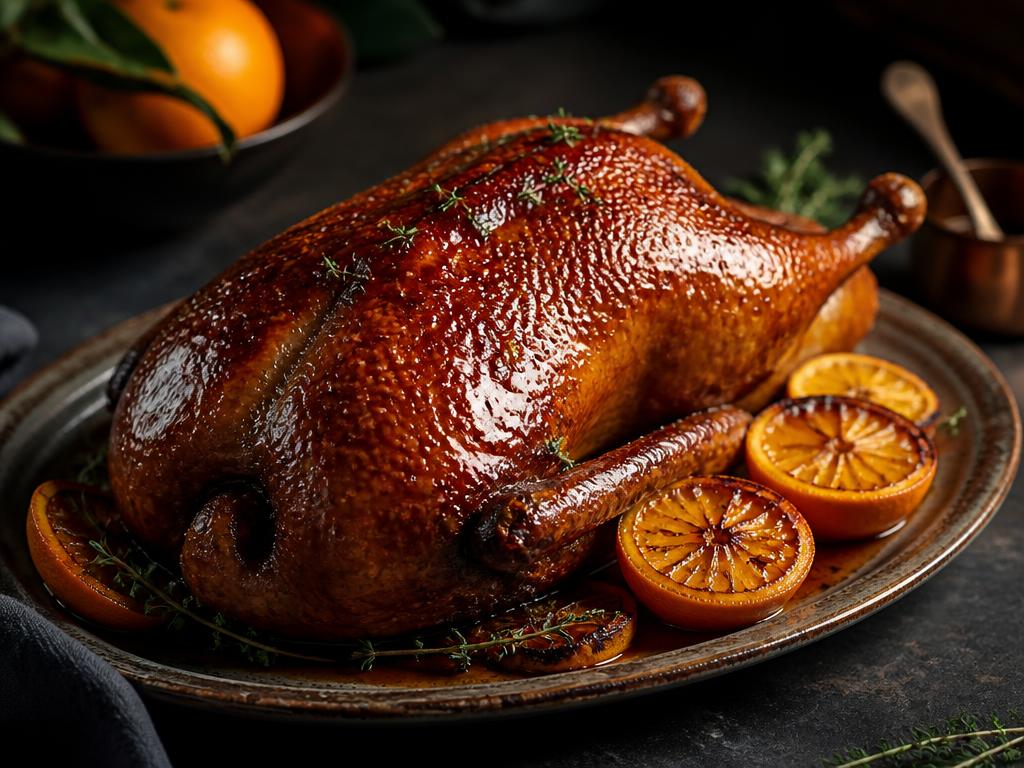
A whole duck roasted in two stages, served with a bitter-orange gastrique built from the pan drippings — sharp and glossy rather than sweet.
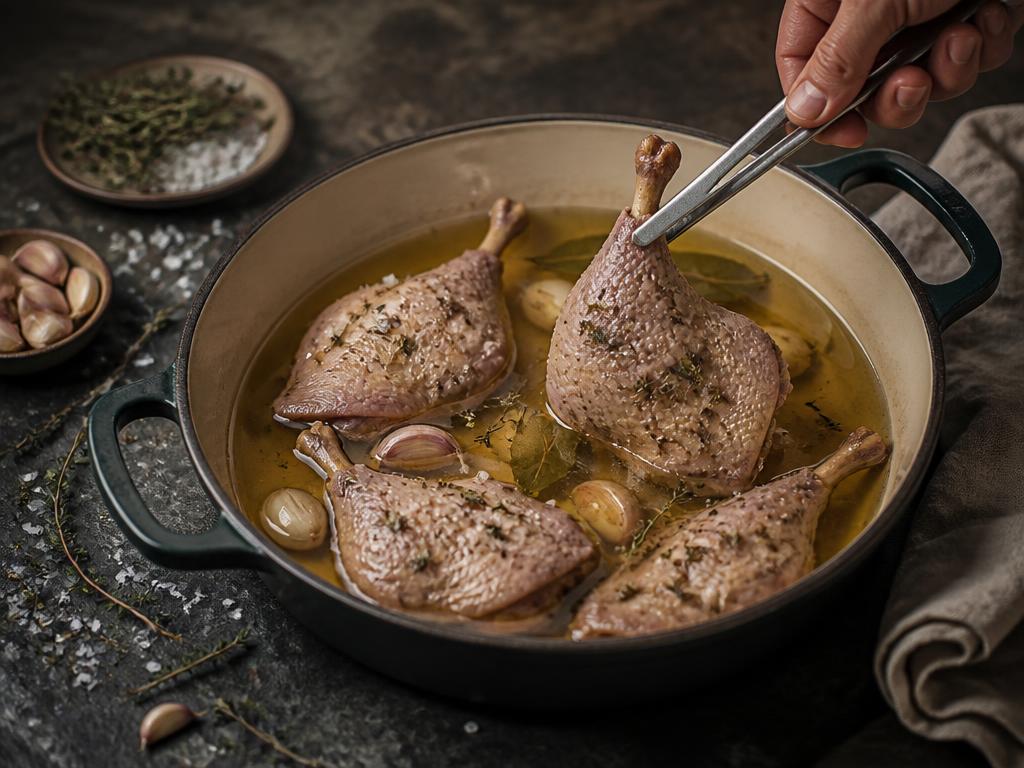
Salt-cured legs poached slowly in their own fat, then crisped to order — the most forgiving duck there is.
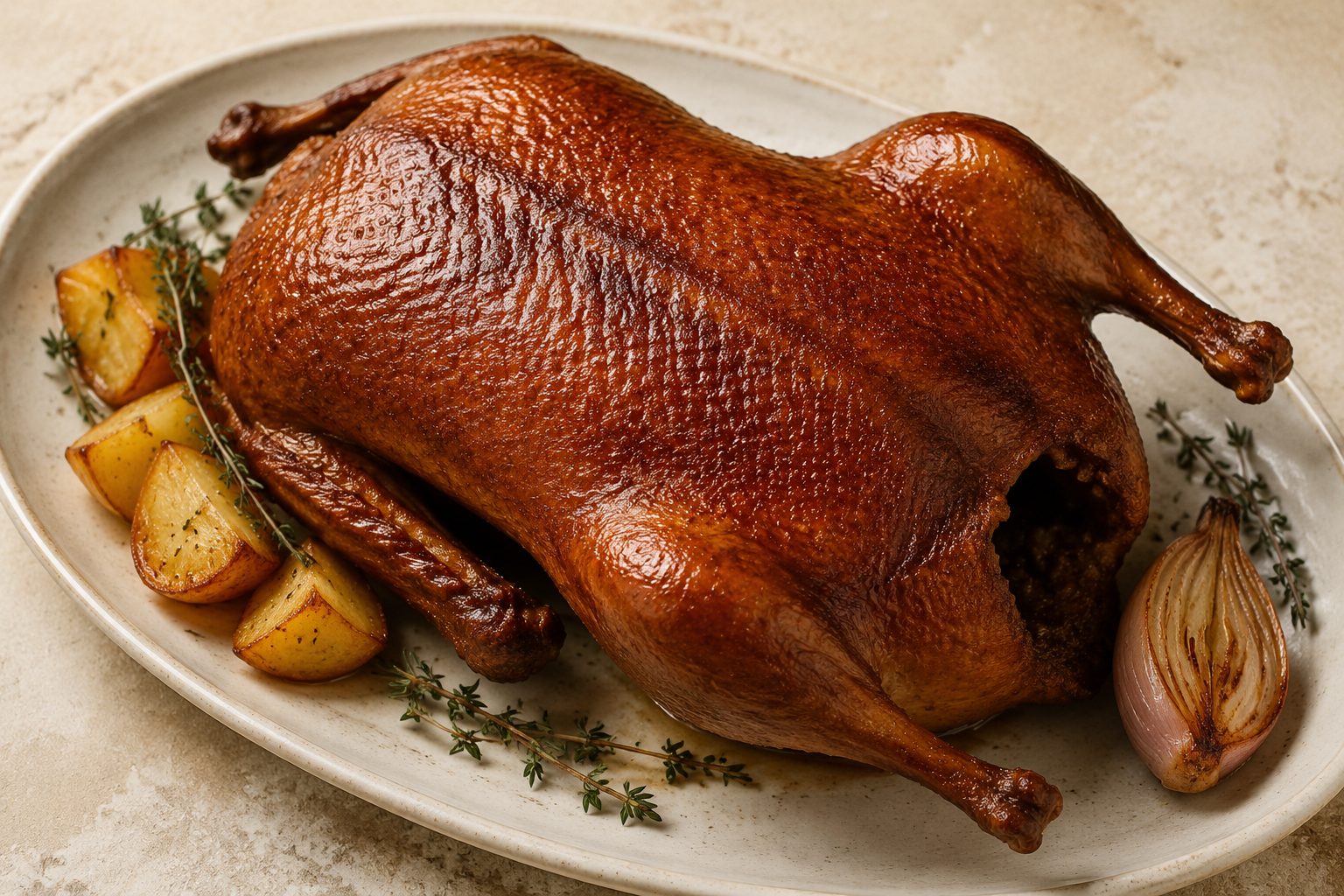
A two-stage roast that renders the fat cap, keeps the breast juicy, and gets the legs fully tender.
Not sure how much to buy? Use the whole-duck serving calculator , or let the method finder match a technique to the duck in front of you.
Duck rewards one habit above all others: render the fat before you chase colour. Breast goes into a cold, dry pan skin-side down so the fat has time to melt out; a whole bird needs its fat drawn off during the roast so the skin can dry and crisp instead of poaching. Almost every duck problem traces back to skipping that.
Start from whichever end you already know. If you have a cut in the fridge, use the cluster for that cut and follow the method through to sauce and sides. If you have a date and a guest count instead, start with the whole-duck planning guides, then come back for technique.
Recipes and technique guides do different jobs here. The recipes give you quantities, timings, and temperature targets for one specific dish; the guides explain the variable behind them so you can adapt when your bird, pan, or oven is not the one we describe.
Duck breast is the fast one: eight to twelve minutes skin-side down in a cold pan brought up to medium, then a few minutes on the flesh side. USDA's safe minimum internal temperature for duck, as for all poultry, is 165°F (74°C); many kitchens serve breast pink at 130–135°F (54–57°C) instead, which departs from that guidance and carries risk our doneness guide sets out plainly. The number that varies most is the rendering time, not the finishing time — a thick Pekin breast with a heavy fat cap can take fifteen minutes before the skin is thin, amber, and rigid.
A whole roast duck runs long: roughly two to two and a half hours for a five- to six-pound Pekin, with the thigh finishing at 175–180°F (79–82°C) so the connective tissue actually softens. Legs cooked as confit or a slow braise want two to three hours at a low temperature, and they tell you they are done when the meat retreats from the drumstick bone rather than when a timer goes off.
Wild duck inverts the rules for a different reason: mallard, teal, and widgeon carry almost no fat, so long cooking dries them out. Cook the breast hot and fast rather than slow — and note that USDA's 165°F minimum applies to wild birds too, so a rare wild breast is a culinary choice made against that guidance, not a safety-neutral one.
Choose the method by the cut and the occasion, not by preference. Pan-searing is for breast and for weeknights. Roasting whole is for a table of three to four who want a centrepiece and a carving moment — roast two birds for more than that. Confit is for legs and for anyone who wants the cooking finished a day or three before the meal. Smoking suits both breast and whole birds when you want the fat to carry smoke rather than sugar. Grilling works for breast if you render the fat in a pan first, because raw duck fat over open flame is a flare-up waiting to happen.
Sous vide sits slightly apart: it gives you an exact interior, but it renders nothing, so the skin still needs a hot dry pan at the end. If you take that route, dry the skin thoroughly before searing.
Rubbery or soft skin means the fat never left. Start colder, go slower, pour off the fat as it collects, and dry the skin uncovered in the fridge for a few hours before cooking. Grey, overcooked breast means the pan was hot at the start, so the outside cooked before the fat rendered. Tough legs mean the opposite problem — they were pulled at a breast temperature and needed another hour.
Every rendered spoonful you pour off is worth keeping. Strain rendered fat into a clean sealed container and refrigerate it promptly; freeze it for longer storage. Discard it if it shows signs of spoilage. It turns potatoes, root vegetables, and next week's eggs into something better than the roast that produced it.