
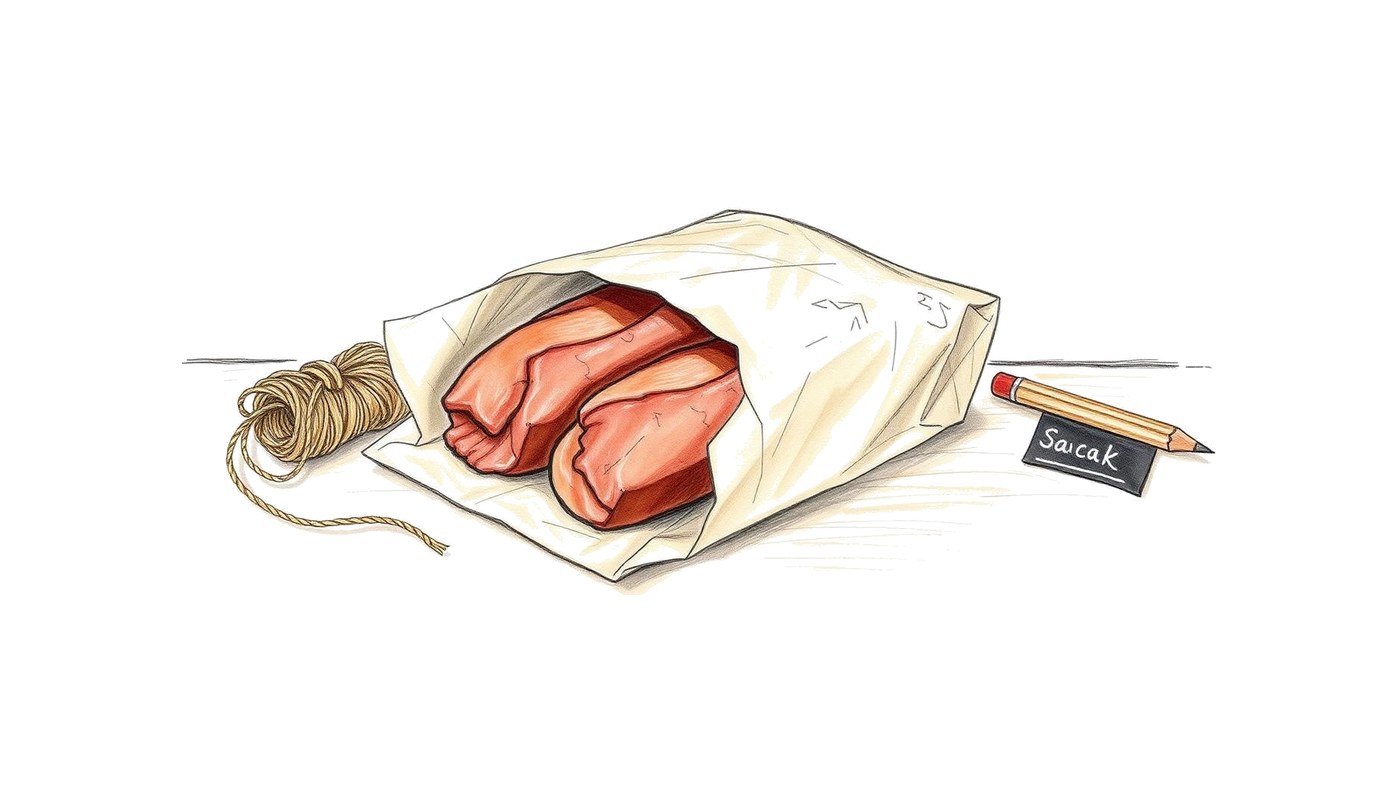
Buying duck online is a different exercise from buying chicken. There's no single dominant supplier, cuts are named inconsistently between sellers, and almost everything ships frozen with a cold chain you're trusting a courier to respect. Star ratings and marketing copy won't tell you what you actually need to know. A short list of concrete questions will.
Updated
The short answer
- You want duck breast this week and don't care about breed
- Local butcher or specialty grocerNo shipping window to plan around, and you can see the fat cap before you pay for it.
- You need a specific cut — breast portions, leg quarters, or rendered fat
- Mail order from a specialty distributorNamed cuts are the thing general retailers stock least consistently.
- You care most about how the bird was raised
- Farm or farm-direct retailerA producer selling its own birds can answer breed, feed, and processing questions directly.
- You're cooking a whole duck for a fixed date
- Any route, ordered early enough to thawA whole bird can need a full day or more in the refrigerator, so the delivery date is not the cooking date.
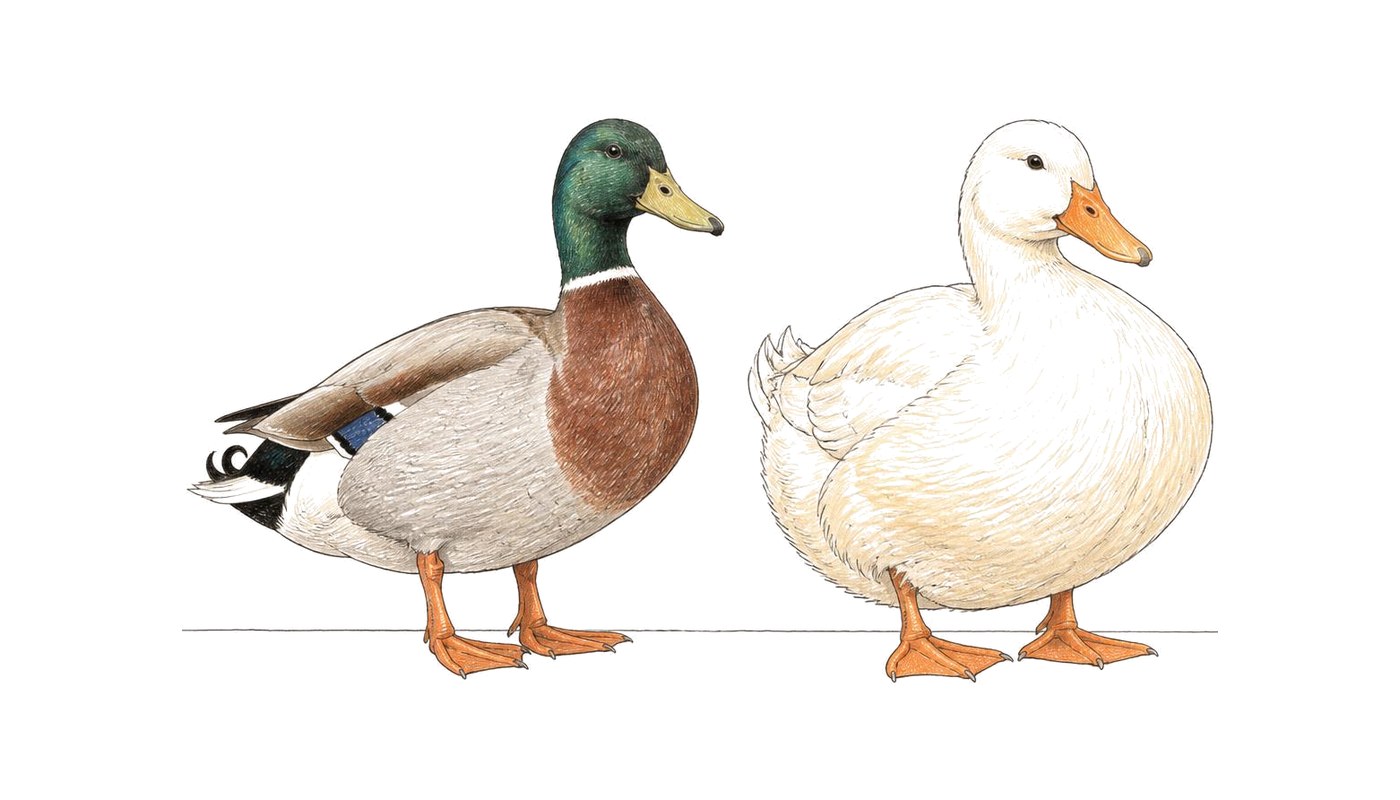
Best options at a glance
The sellers covered below, with who each one suits. Every detail comes from the seller's own public catalogue at the last check — no rankings, prices, or stock claims.
Culver Duck
Best for: Cooks who want one order to cover a whole bird, portioned cuts, and rendered fat.
Joe Jurgielewicz & Son (TastyDuck)
Best for: A first duck order, or a sampler when you are not yet sure which cut you want.
Fossil Farms
Best for: Recipes that name a specific breed or an unusual cut you cannot find elsewhere.
Wild Fork
Best for: Buying duck without placing a specialty order, when it is stocked near you.
How we made these calls
We compare sourcing routes, not sellers, on the handful of factors that change what lands in your kitchen: which cuts you can actually get, whether the breed is named, how the bird travels, and what the order commits you to.
What this is based on
- Publicly published catalogue and shipping information from the sellers named on this page, read on the date below.
- Duck cooking requirements from our own technique pages — cut-to-method fit and thaw time by weight — plus USDA labelling and handling guidance.
- Cold-chain handling and inspection practice that applies to any frozen meat shipment.
Evaluation basis. Published catalogue and shipping information from the sellers named here, read on the date above and weighed against the cut-to-method and thaw-time requirements in our own technique pages. Prices, stock levels, and delivery windows come from the seller's own listing.
The comparison framework
Before you look at any specific seller, work through these seven questions. They apply whether you're comparing two mail-order distributors or deciding between mail order and your local butcher.
Cut availability
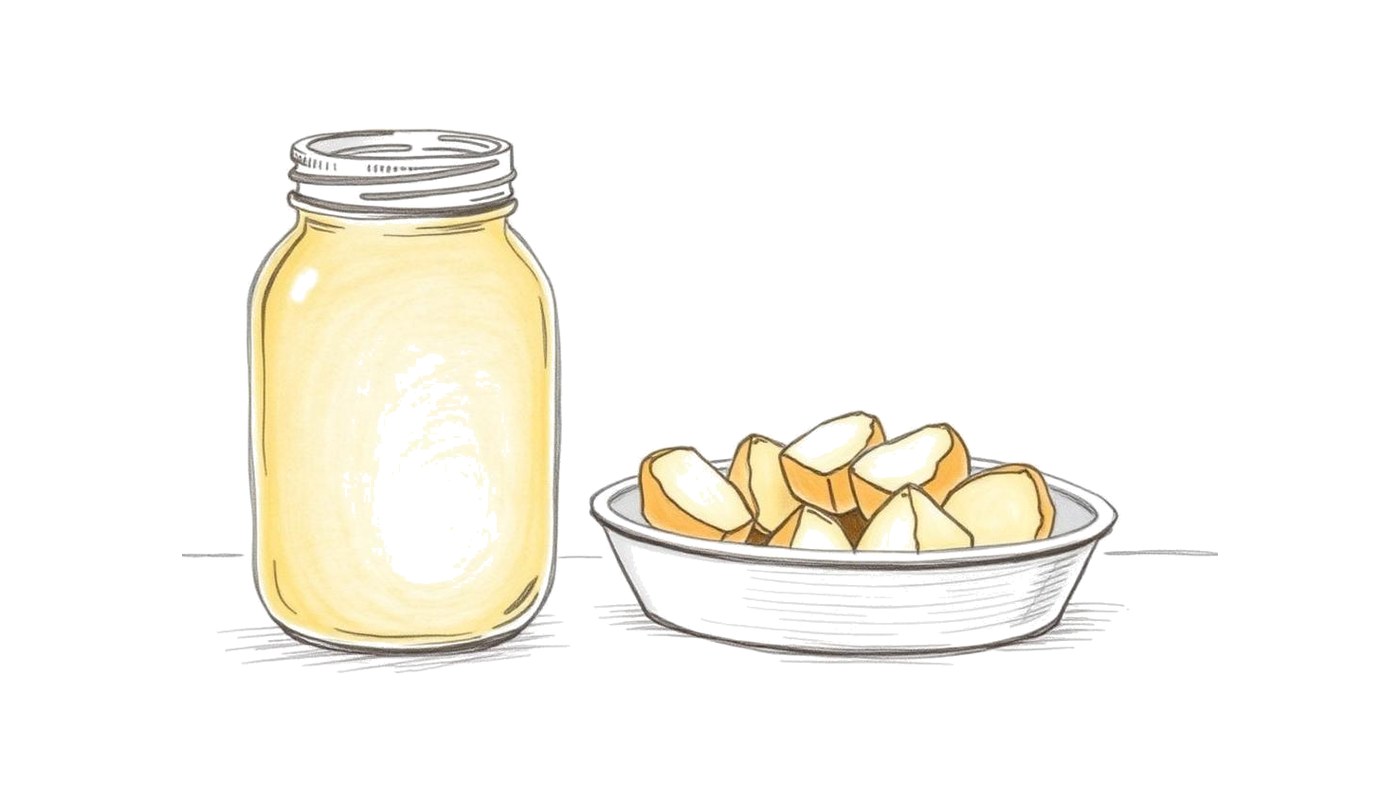
Decide what you actually need before you shop. A whole duck is the easiest thing to find anywhere. Specific cuts — breast portions, leg quarters, or rendered fat sold on its own — are far less consistently stocked, and a seller that lists them clearly by name is doing you a real favour over one that just says "duck breast."
Already settled on breast? The formats, portion weights and arrival checks that only matter for that cut are covered separately in where to buy duck breast online.
Breed and label terms: what they do and don't tell you
Listings often name a breed, and buyers often assume the name implies fat cover, breast size or flavour. We do not publish those comparisons: the sources we cite are labelling, handling and storage guidance, and they do not substantiate breed-by-breed cooking claims. Treat a breed name as description until you can see the bird.
What is defined is the USDA age class — duckling for dry-heat cooking, mature duck for slower moist cooking — along with whether the bird is sold fresh or frozen. Those two lines tell you more about your cook than any breed name does.
If a listing is vague about the cut or the age class, ask before you order. See wild duck vs. farmed duck for how much species variation can move the numbers.
Fresh vs. frozen: what frozen really costs you in planning
Almost all mail-order duck ships frozen — it is a common way for sellers to maintain a cold chain across multi-day transit, though safe arrival still depends on how the box is packed, how long it is in transit, and how quickly you refrigerate it. That's not a downgrade on quality, but it is a planning cost: a whole duck can take 24–48 hours to thaw safely in the refrigerator, and you need to build that into your schedule before the day you intended to cook. See how to thaw duck safely for weight-based timings.
Shipping minimums and cold-chain economics
Cold-chain shipping is expensive, so most sellers set an order minimum to make the box worth sending — often meant to be shared across a few cuts or a group order. Read the checkout page, not just the product page, before you decide a seller is cheap or expensive: a low headline price on one duck can be erased entirely by a shipping charge that assumes a much bigger order.
Sourcing transparency
Look for specifics: breed, farm or producer name, and a processing or best-by date. Generic claims (“premium,” “farm-raised,” “gourmet”) carry no verifiable meaning on their own. A seller willing to publish producer detail is usually also more careful about the rest of the process — from feed programme to how the bird was packed.
Packaging on arrival — what to inspect and when to reject
The box tells you almost everything about whether the cold chain held. Check it the moment it arrives, before you even unpack the rest of your groceries.
| Check | What you want | Reject if |
|---|---|---|
| Ice packs / gel packs | Still cold or partially frozen | Fully melted and warm to the touch |
| Vacuum seal | Intact, tight against the meat | Punctured, loose, or full of air |
| Duck temperature | Still icy or cold to the touch | Room temperature or noticeably soft |
| Colour and smell | Pale pink to red, clean smell | Grey-brown patches or any off odour |
| Packing time in transit | Matches the seller's stated window | Box sat at a depot far longer than promised |
Geography and delivery days
Transit time compounds every other risk on this list. A seller two states away on a two-day shipping method is a safer bet than one across the country on the same service. Check which days a seller actually ships — many avoid dispatching right before a weekend so a box doesn't sit at a depot for two extra days.
Compare cost per usable portion, not the headline price
A whole duck looks cheap next to a pack of breasts until you account for bone, fat loss, and the parts you won't use for the meal you're planning. Before comparing prices between two listings, work out what each will actually give you on the plate. The whole-duck serving calculator converts a raw weight into expected cooked yield, so you can compare a whole bird against pre-cut portions on equal terms.
When a local butcher or Asian supermarket beats mail order
If you live near either, it's usually the better default. You skip the cold-chain shipping fee and the thaw-planning window entirely, you can inspect the bird before you pay, and whole ducks at these counters are frequently the cheapest option available to you. The trade-off is inconsistent availability of specific cuts and, often, less written detail about breed or origin — a conversation with the person behind the counter is your best substitute for a product listing.
The four sourcing routes, side by side
Butcher, specialty grocer, farm, mail order. Read down the column for the route you were leaning toward and check the rows you actually care about for this cook.
| What you're deciding on | Local butcher | Specialty grocer | Farm / farm-direct | Mail order |
|---|---|---|---|---|
| Cut range | Whatever the counter ordered; special requests possible with notice | Usually whole birds and breast only | Narrow, and tied to what the farm processes | Widest — whole, breast, legs, and rendered fat |
| Breed named | Ask; the butcher usually knows | Often not stated on the package | Yes, and the farm can explain it | Frequently stated on the product page |
| Fresh or frozen | Often fresh | Fresh or frozen | Usually frozen | Almost always frozen |
| Thaw planning needed | Rarely | Sometimes | Yes | Yes — build in a day or more |
| Shipping and minimums | None | None | Cold-chain shipping, often with a minimum | Cold-chain shipping with an order minimum; read checkout, not the product page |
| Traceability | As good as the butcher's own supply chain | Usually generic label language | Strongest — one producer, one answer | Varies; look for producer and processing detail, not adjectives |
| Best-fit recipe | Pan-seared breast on short notice | A first duck breast, cooked midweek | Whole roast where provenance matters to you | Confit, breast portions, or a multi-cut cooking plan |
Who each option is for
Listed in no particular order. We don't rank these, because the right answer changes with how you cook rather than with any score we could assign.
Local butcher
Good fit: Cooks who want to inspect the bird, ask questions in person, and skip shipping entirely.
Not for: Anyone hunting a specific cut a butcher doesn't routinely order.
Specialty grocer
Good fit: Convenience buyers who mostly cook breast and want a predictable, repeatable purchase.
Not for: Cooks who need rendered fat, leg quarters, or breed information on the label.
Farm / farm-direct
Good fit: Buyers whose first question is about the production method rather than the cut list.
Not for: Anyone who needs a wide cut selection available on demand year-round.
Mail-order specialty distributor
Good fit: Cooks shopping by technique who want several duck cuts plus fat in one shipment.
Not for: Last-minute cooking, or small orders where cold-chain shipping dominates the cost.
The sellers, side by side
Same four sellers, laid out so you can read across a single row: which cuts they list, whether they carry prepared duck, and who each one suits. Every attribute comes from the seller's own public catalogue at the last verification date.
| Option | Whole duck, breast & legs | Specialty & prepared duck | Breadth of selection | Best fit |
|---|---|---|---|---|
| Culver Duck | Whole duck, raw breast, leg quarters and ground duck all listed by name. | Confit, smoked breast, stuffed duck and halal duck appear in the shop. | The widest single-producer duck range in this comparison. | A duck-first order where you want the cut named precisely. |
| Joe Jurgielewicz & Son (TastyDuck) | Whole duck, breasts and legs listed individually. | Sampler kits and prepared duck products. | Focused range — the core cuts plus kits, rather than a long catalogue. | Trying duck for the first time without committing to one cut. |
| Fossil Farms | Whole birds and portioned cuts across more than one duck type. | Prepared duck products alongside the raw catalogue. | Broad, and unusually specific about which duck you are buying. | Cooking to a recipe that specifies the duck, not just 'duck'. |
| Wild Fork | Duck appears in the frozen range, but which cuts varies — check before you plan a menu. | Limited; this is a mainstream retailer rather than a duck specialist. | Narrow for duck, wide for everything else in the same basket. | A weeknight duck buy alongside the rest of your shopping. |
Each seller in detail
The notes below come from public catalogue information as of the last verification date shown on each card. Check the seller's own page for current cuts and terms.
Culver Duck
Best for: Cooks who want one order to cover a whole bird, portioned cuts, and rendered fat.
- Whole duck, breast & legs
- Whole duck, raw breast, leg quarters and ground duck all listed by name.
- Specialty & prepared duck
- Confit, smoked breast, stuffed duck and halal duck appear in the shop.
- Breadth of selection
- The widest single-producer duck range in this comparison.
- Best fit
- A duck-first order where you want the cut named precisely.
Why it stands out
- Duck is the whole business, so cuts are named the way recipes name them.
- Rendered fat and prepared duck sit alongside the raw cuts, so one box can cover a menu.
What to check
- Availability shifts with production; check the shop rather than assuming a cut is stocked.
- Frozen delivery means you still owe the bird a day or more of fridge thawing.
Catalogue reviewed 2026-08-18.
Details checked 2026-08-18
Joe Jurgielewicz & Son (TastyDuck)
Best for: A first duck order, or a sampler when you are not yet sure which cut you want.
- Whole duck, breast & legs
- Whole duck, breasts and legs listed individually.
- Specialty & prepared duck
- Sampler kits and prepared duck products.
- Breadth of selection
- Focused range — the core cuts plus kits, rather than a long catalogue.
- Best fit
- Trying duck for the first time without committing to one cut.
Why it stands out
- Sampler kits are a genuinely useful way to learn which cut suits how you cook.
- Single-producer sourcing, so the birds in one order are consistent with each other.
What to check
- Narrower selection than a full specialty distributor.
- Cut-level availability moves; the shop page is the only reliable answer.
Catalogue reviewed 2026-08-18.
Details checked 2026-08-18
Fossil Farms
Best for: Recipes that name a specific breed or an unusual cut you cannot find elsewhere.
- Whole duck, breast & legs
- Whole birds and portioned cuts across more than one duck type.
- Specialty & prepared duck
- Prepared duck products alongside the raw catalogue.
- Breadth of selection
- Broad, and unusually specific about which duck you are buying.
- Best fit
- Cooking to a recipe that specifies the duck, not just 'duck'.
Why it stands out
- Listings distinguish between duck types, which most sellers do not.
- Useful when you are buying other game or specialty meat in the same order.
What to check
- A general specialty retailer, so duck sits inside a much larger catalogue.
- We publish no breed-by-breed cooking adjustments — the name tells you less than the bird does.
Catalogue reviewed 2026-08-18.
Details checked 2026-08-18
Wild Fork
Best for: Buying duck without placing a specialty order, when it is stocked near you.
- Whole duck, breast & legs
- Duck appears in the frozen range, but which cuts varies — check before you plan a menu.
- Specialty & prepared duck
- Limited; this is a mainstream retailer rather than a duck specialist.
- Breadth of selection
- Narrow for duck, wide for everything else in the same basket.
- Best fit
- A weeknight duck buy alongside the rest of your shopping.
Why it stands out
- Store pickup avoids cold-chain shipping cost and the courier risk entirely.
- Everything is already frozen and portioned, which suits buying one or two pieces.
What to check
- Duck selection is inconsistent between locations and over time.
- Less producer detail than any of the duck specialists above.
Included as a mainstream option. Verify current duck availability yourself; we make no stock claim.
Details checked 2026-08-18
Shop this guide
What this guide actually asks you to own. If you already have a working version, keep it.
Whole duck
The most flexible purchase — it covers roasting, confit legs, and stock from one bird.
See the roasting methodNamed breast portions
Worth seeking out specifically if you cook breast more often than whole birds.
See the breast method
Common questions
- Is fresh duck always better than frozen?
- Not necessarily. A well-frozen duck from a careful processor often beats a “fresh” bird that has sat several days in transit. What matters more is how it was frozen, how it's packed, and how long it spent above freezing before it reached you.
- Does the breed named in a listing tell me how to cook the bird?
- Not reliably, and we publish no breed-by-breed adjustments because our cited sources — labelling, handling and storage guidance — do not support them. The defined terms are the USDA age class and whether the duck is sold fresh or frozen. Judge fat cover and skin on the bird itself once it arrives.
- Should I trust production-method claims on a listing?
- Treat them as a starting point, not a verdict. Specific language — breed name, farm name, processing date — is worth more than generic marketing terms like “premium” or “gourmet,” which carry no defined meaning.
- Is it worth paying for faster shipping?
- Only if the alternative risks the cold chain. A duck that arrives still fully frozen on standard shipping is a better outcome than one that arrives partially thawed on a slower, cheaper option — check the seller's stated transit window against your own delivery day before you decide.
Cooking duck tonight? Don't guess.
Most disappointing duck dinners start at the point of purchase. The playbook includes the shopping checklist we use before anything hits a pan. Tell us what you're cooking in the Duck Game Plan and we'll build your temperature, timing, crispy-skin and serving plan. Subscribers also get Duck the Fundamentals, the printable 28-page playbook, a short welcome series, and occasional DeliciousDuck recipes and guides.
- What to check on the label, and what breed choice changes
- A first-duck shopping checklist you can take to the counter
- How to store, thaw, and portion what you buy
- A printable kitchen card with temperatures and timings
You can also read our companion article, the Duck Cooking Starter Guide, plus the temperature and doneness guide and the calculators, right now.
Buying for Thanksgiving adds a deadline to all of this: the delivery date has to leave room for the thaw. Work back from dinner with our Thanksgiving duck dinner plan
Related guides
- Where to Buy Duck Breast OnlineFormats, weights and arrival checks — then the seller that fits your cook.
- What Cut of Duck to BuyMatch the cut to the dish before you match it to a seller.
- Fresh vs Frozen DuckFrozen isn't a downgrade — it's a scheduling decision.
- How to Choose a DuckWhat to look at, what to read, and what to walk away from.
- How to Thaw Duck SafelyFridge-first planning times, plus the cold-water fallback when you're late.
- Whole-Duck Serving CalculatorTurn a guest count into how many birds to buy.
- Duck Fat Buying GuidePackaging, labels, storage — and how much you actually need.
- How to Cook Duck BreastThe cold-pan method, why it works, and how to rescue it when it doesn't.
- Best Thermometer for DuckInstant-read or leave-in? Match the tool to how you cook duck.