
Short answer
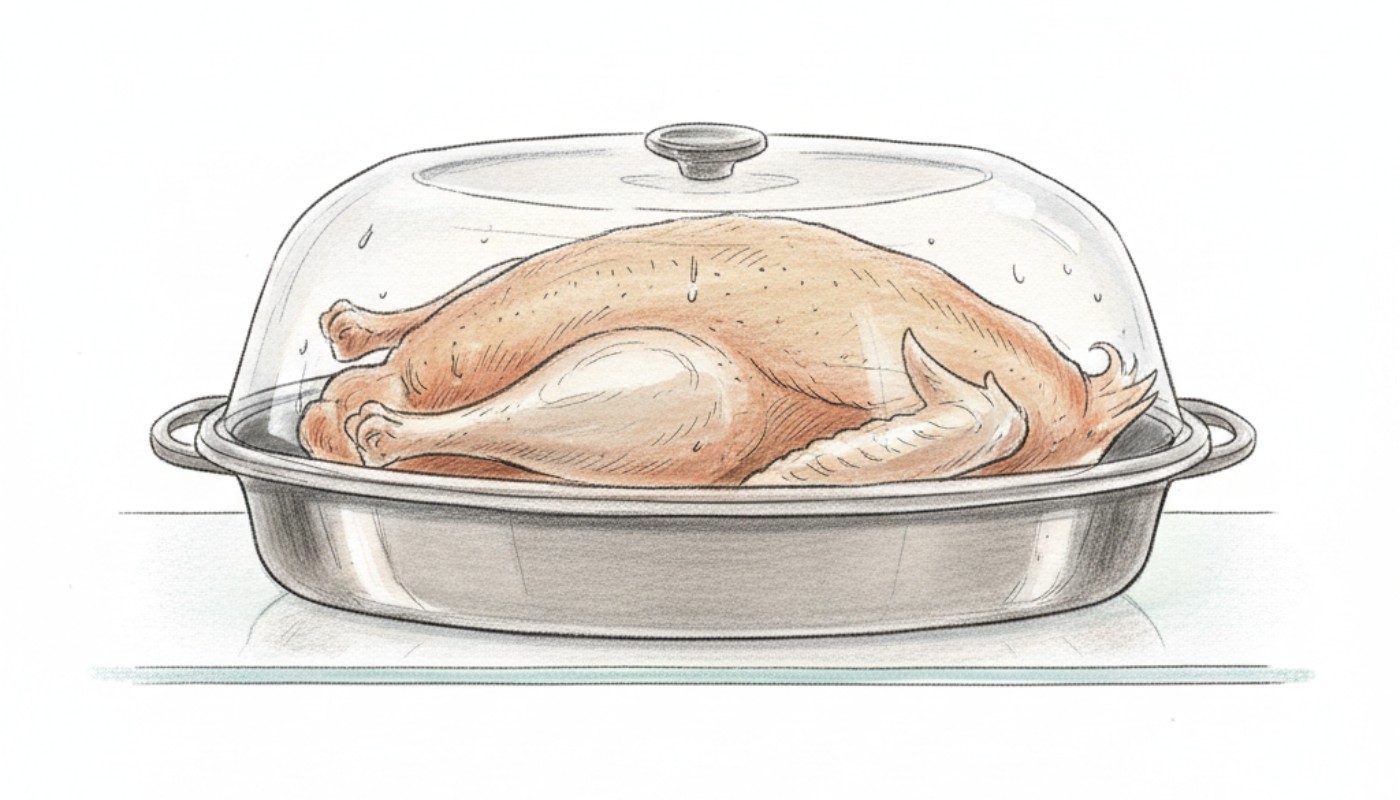
Frozen duck is the better buy for most home cooks: nearly all duck is frozen soon after processing, so a properly frozen bird is often fresher than one that has sat thawed in a case. Buy fresh only when you can confirm how long it has been out, and cook it within a day or two.
Updated
What the labels actually mean
“Fresh” on raw poultry is a defined term, not a compliment. Under USDA labelling rules, poultry sold as fresh has never been held below 26°F (-3.3°C). Poultry held at 0°F (-17.8°C) or below must be labelled frozen or previously frozen. Between those two points there is a band where a bird can be held very cold and still be sold as fresh.
So the meaningful question is not “fresh or frozen?” but “how long has this bird been above freezing, and how well was it held?” A duck frozen hard within hours of processing has had almost no opportunity to deteriorate. A duck labelled fresh that has been in transit for three days has had plenty.
Fresh and frozen, compared honestly
| Factor | Fresh | Frozen |
|---|---|---|
| Cooking on the day you buy | Yes | No — thaw time has to be scheduled |
| Suited to mail order | Only over short, guaranteed transit | Yes; this is why most shipped duck is frozen |
| Storage flexibility | Days | Months |
| Skin condition for crisping | Good, if handled and dried well | Good, if thawed slowly and dried thoroughly |
| Main risk | Time above freezing before you get it | A cold chain that broke in transit |
| Availability of specific cuts | Limited to what your counter carries | Much wider, because it ships |
Receiving a mail-order delivery
The single number to care about on arrival is temperature, not the amount of ice left in the box. Bacteria multiply rapidly in the danger zone between 40°F and 140°F (4.4°C and 60°C), and perishable food should not be left in that range for more than two hours. That is the standard your delivery has to have met.
- Open it immediately. A box left on a doorstep in the sun is the failure mode, and the clock started when the courier put it down.
- Check the bird, not the packaging. Firm and frozen, or still cold to the touch and at or below 40°F (4.4°C), is fine. Ambient-temperature meat is not, however much dry ice was in the box.
- Look for a torn vacuum seal. A breached bag with freezer burn on the skin is a quality problem for crisping, and worth raising with the seller.
- Decide freezer or refrigerator now. Still frozen and not cooking within days? Straight into the freezer. Cooking this week? Refrigerator, and start counting thaw time.
- Document anything wrong. Photograph a warm or leaking delivery before you dispose of it. If you cannot establish how long the bird was warm, do not cook it.
Working backward from your cooking date
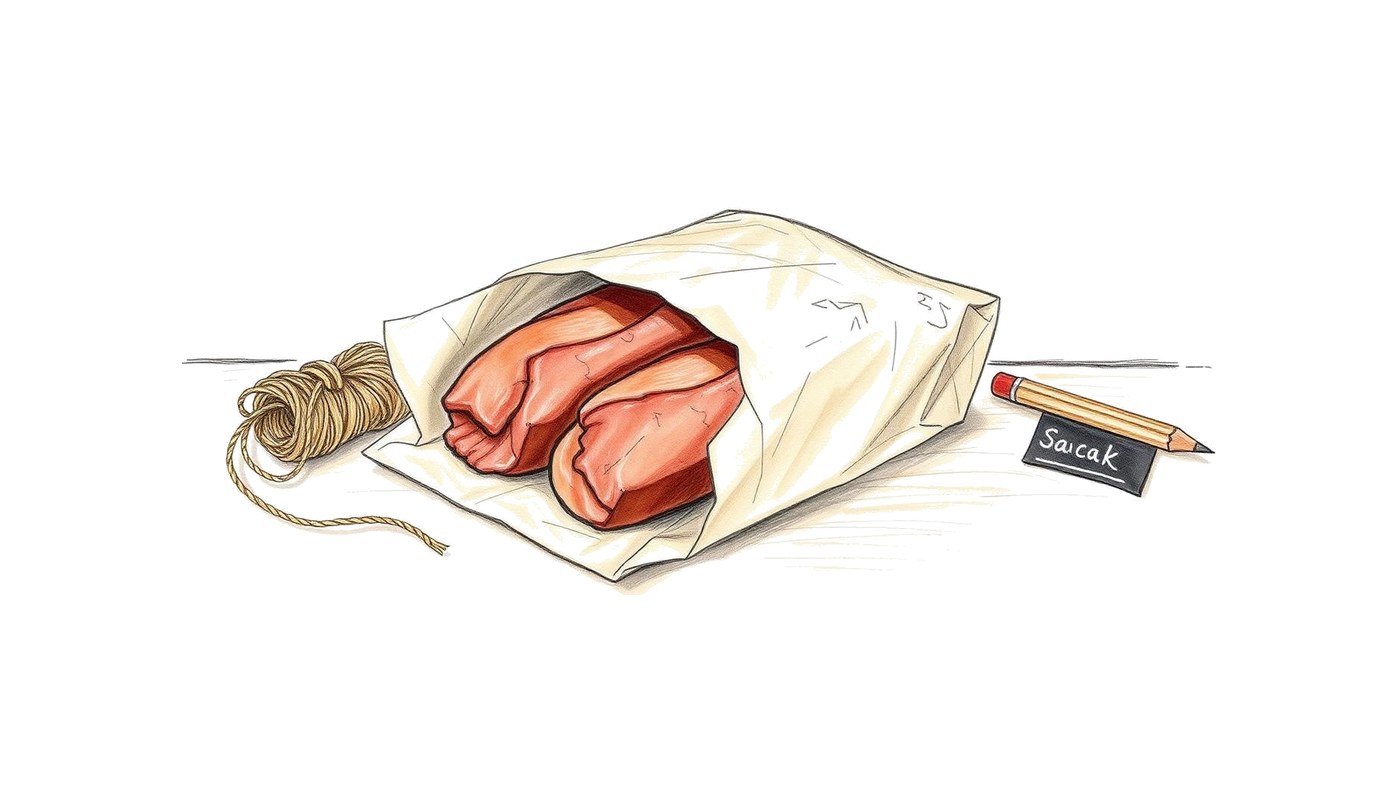
Frozen duck costs you calendar, and the number that matters is refrigerator thaw time — roughly 24 hours per 2.3 kg (5 lb) at 40°F (4.4°C) or below. A whole duck is therefore an overnight-plus job, and duck breasts are usually ready the next morning. Our thawing guide has the weight-based times and the cold-water fallback for when you're late.
Build the schedule in this order: cooking date, minus thaw time, minus the seller's stated transit window, minus one buffer day. That is your order date. Never plan to cook on the delivery day itself.
How long you've got once it's home
Follow published cold-storage windows rather than the smell test. Raw poultry holds only a short time in the refrigerator, and much longer frozen at 0°F (-17.8°C) — where it stays safe indefinitely, with quality rather than safety being the limit. Whatever the storage route, the cooking target does not change: 165°F (73.9°C) internal, measured with a food thermometer.†
What this page is based on
- USDA labelling rules for poultry sold as fresh versus frozen, and USDA safe-thawing guidance.
- USDA danger-zone limits, which are what a compromised cold chain actually puts at risk.
- Cold-chain inspection practice already documented on our sourcing page, plus the weight-based thaw times on our thawing guide.
Evaluation basis. Published seller catalogue and shipping information, read against USDA thawing and cold-storage guidance. Check the seller's own stated transit window against your delivery day.
Next steps
Schedule the thaw, then read the shipping terms before you order.
- How to thaw duck safely
The weight-based thaw times you need to schedule backward from your cooking date.
- Where to buy duck online
How to read a seller's shipping terms before the cold chain becomes your problem.
Common questions
- Is frozen duck worse than fresh?
- No. For anything shipped to you, frozen is usually the safer and better option, because it is the only way to hold the bird reliably across multi-day transit. The trade-off is scheduling, not quality.
- What does 'fresh' legally mean on poultry?
- Under USDA labelling rules, raw poultry labelled fresh has never been held below 26°F (-3.3°C). Poultry held at 0°F (-17.8°C) or below must be labelled frozen or previously frozen. So 'fresh' does not mean never chilled hard — it means never frozen.
- My duck arrived partly thawed. Is it safe?
- It depends on temperature, not on whether ice remains. If the bird is still at or below 40°F (4.4°C) it has stayed out of the danger zone and can go into the refrigerator or be refrozen. If it is warm, or you cannot tell how long it was warm, do not cook it — contact the seller.
- Can I refreeze duck that thawed in the refrigerator?
- Yes. Food thawed in the refrigerator can be refrozen without cooking first, though you may lose some quality to moisture loss. Duck thawed in cold water should be cooked before refreezing.
- How far ahead should I order frozen duck?
- Add the seller's stated transit window to your thaw time and put a buffer day on top. For a whole duck that usually means ordering at least four or five days before you plan to cook.
References
- Duck and Goose from Farm to Table — USDA Food Safety and Inspection ServiceHandling, labelling, storage and cooking guidance specific to duck and goose.Reference checked 2026-08
- The Big Thaw — Safe Defrosting Methods — USDA Food Safety and Inspection ServiceRefrigerator, cold-water and microwave thawing are the three methods considered safe; room-temperature thawing is not.Reference checked 2026-08
- Danger Zone (40°F – 140°F) — USDA Food Safety and Inspection ServicePerishable food should not sit between 40°F and 140°F for more than two hours.Reference checked 2026-08
- Refrigerator & Freezer Storage Chart — U.S. Food and Drug AdministrationCold-storage windows for raw and cooked poultry.Reference checked 2026-08
Related guides
- How to Thaw Duck SafelyFridge-first planning times, plus the cold-water fallback when you're late.
- Where to Buy Duck OnlineEight things to compare before you pay for cold-chain shipping.
- How to Choose a DuckWhat to look at, what to read, and what to walk away from.
- Whole Roast DuckThe full workflow, from dry-fridge prep to a rested, carvable bird.