
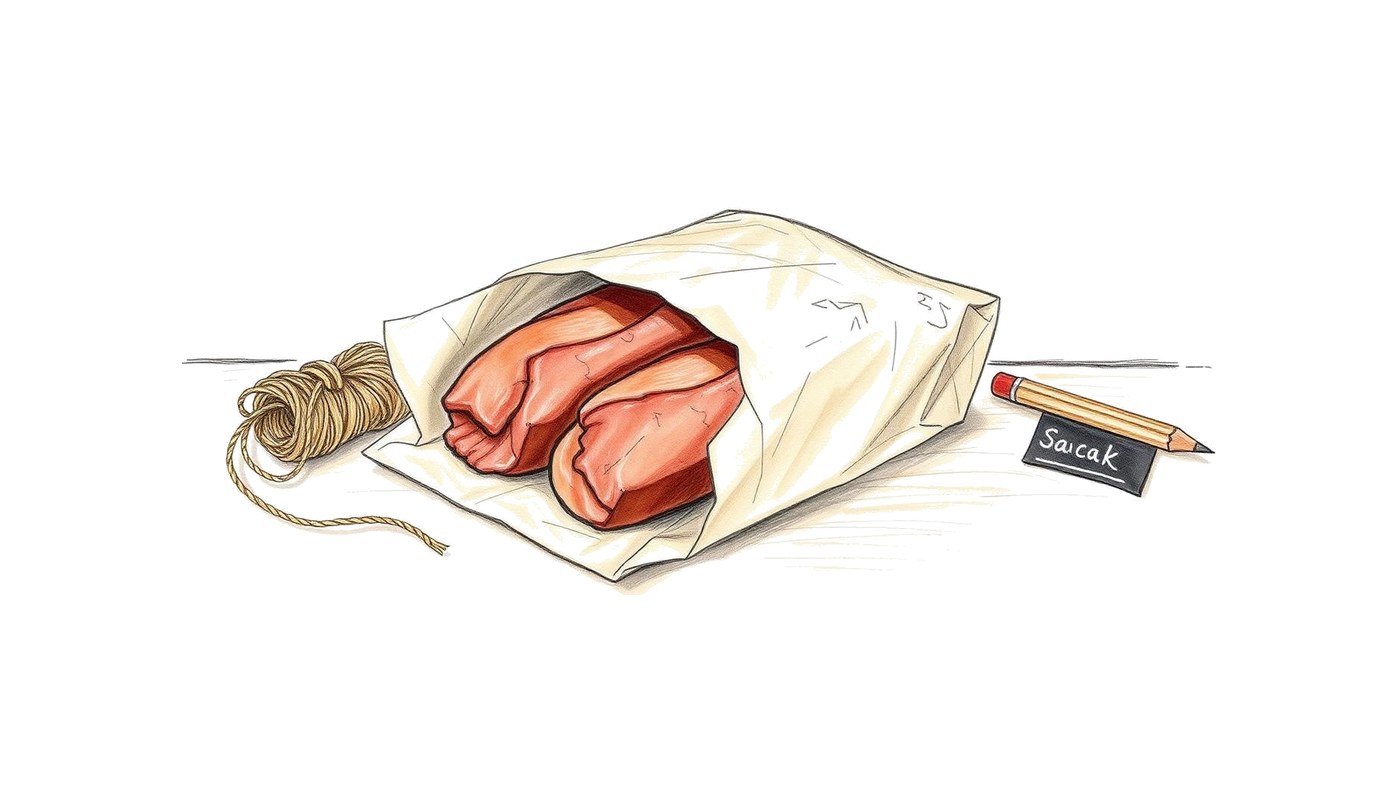
The short answer
Judge the fat cap and the skin first: you want an intact, dry, evenly thick layer, because torn or patchy skin never crisps evenly. Then read the label for the things that carry a defined meaning — the age class, whether it is sold fresh or frozen, and a processing or best-by date — and ignore the adjectives that do not.
Updated
Start with the skin and the fat cap
Crisp duck skin is a rendering problem: the fat under the skin has to melt out and leave a thin, dry layer behind. That process needs an intact, evenly thick fat cap. Where the skin is torn, fat escapes early and the exposed meat scorches. Where the cap is thin, that patch finishes long before the thick end does.
- Even thickness across the breast. Some taper is normal; a cap that is generous at one end and almost bare at the other is not.
- Intact, unbroken skin. Tears and puncture holes are the single most common reason a breast crisps unevenly.
- Dry to the touch. Surface moisture has to go before the skin browns; a bird that is already dry saves you a step.
- Even in appearance. This one is our own kitchen preference rather than a graded standard: we pass over birds that look dried out at the cut edges. Appearance is not a safety test — handling, storage time and cooking temperature are.
Why this matters technically is covered in why duck skin isn't crispy and how to score duck breast.
The label: what's defined and what isn't
| On the package | Defined? | What to do with it |
|---|---|---|
| Age class (duckling versus mature duck) | Yes — a USDA labelling class | Duckling suits dry heat; a mature bird suits slower, moist cooking |
| Fresh versus frozen | Yes — set by holding temperature | Determines your schedule more than your quality expectations |
| Pack or best-by date | Yes | Read it before anything else on the front of the pack |
| A named breed | Not a defined labelling claim | Treat as description only — see the note below |
| Premium, gourmet, artisan, select | No | Ignore entirely |
Some packages and listings name a breed. We do not publish cooking adjustments by breed: the sources we cite are labelling, handling and storage guidance, and they do not substantiate breed-by-breed claims about fat cover, breast size or flavour. Until we can support such a comparison, treat a breed name as description rather than instruction, and judge the fat cap and skin actually in front of you using the checks above.
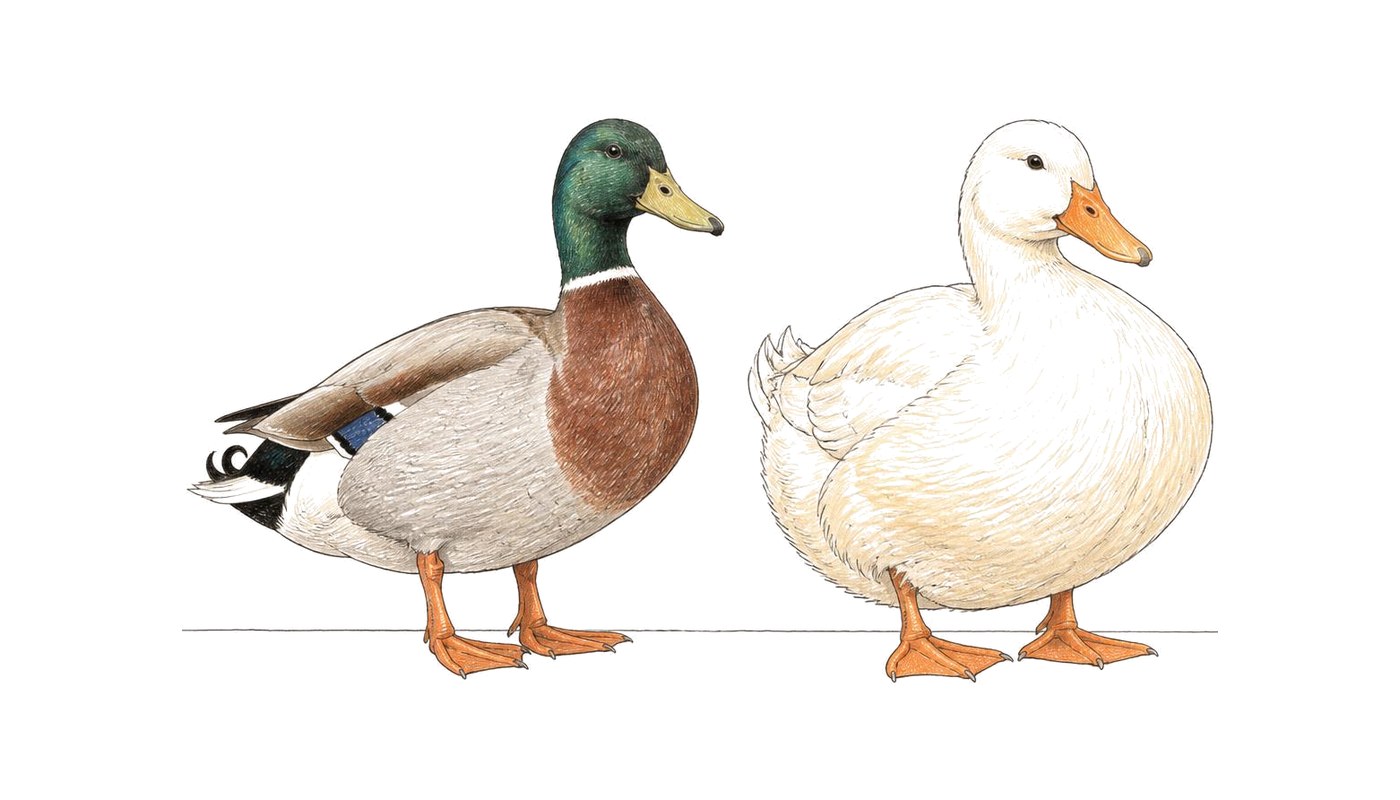
At a counter versus sight unseen
At a counter you can apply the checklist above directly, which is its main advantage. Buying online you cannot, so you shift the same scrutiny onto the packaging on arrival: an intact vacuum seal, no freezer burn on the skin, and a bird that is still properly cold. What you are checking is the same thing — whether the skin and fat cap arrived in a state that can crisp.
If it arrived from a distance, work through fresh versus frozen duck for the receiving checks before you commit to a cooking date.
From the counter to the fridge
Handling starts at purchase. Keep raw duck cold and separated from ready-to-eat food on the way home, refrigerate at 40°F (4.4°C) or below promptly, and remember that perishable food should not spend more than two hours in the danger zone between 40°F and 140°F (4.4°C and 60°C). Plan to cook or freeze within the published cold-storage window for raw poultry rather than stretching it on smell.
Whatever you bought, the cooking target is unchanged: 165°F (73.9°C) internal, measured with a food thermometer.† The doneness guide sets that against the lower restaurant convention for a pink breast.
What this page is based on
- USDA duck labelling and handling guidance: age classes, fresh-versus-frozen definitions, and safe handling from purchase onward.
- The skin and fat-cap requirements of our own crispy-skin and scoring pages, which are what a good bird has to make possible.
- USDA cold-storage windows for how long a raw bird holds once it is home.
Evaluation basis. USDA handling guidance and cold-chain practice, turned into a checklist for judging the bird in front of you.
Next steps
Where to buy from, and what to cook it in.
- Where to buy duck online
The sourcing routes, and which ones let you inspect the bird before you pay.
- Best pan for duck breast
A good fat cap still needs a pan that can render it without stalling.
Common questions
- What should duck skin look like?
- Intact, dry to the touch, and evenly thick across the breast, with a creamy rather than grey cast. Torn skin and thin patches never crisp evenly, because the fat underneath renders at different rates.
- Does the colour of the meat tell me anything?
- Duck breast is naturally dark, so redness on its own is not a warning sign. In our own kitchen judgement we pass over birds that look dull or dried at the cut edges; colour is not a safety test, and safe handling and cooking temperature are what determine safety.
- Which label terms are worth reading?
- The age class, whether the bird is sold fresh or frozen, and the pack or best-by date. Those are defined. 'Premium', 'gourmet' and 'artisan' are not, and a named breed is description rather than a defined claim — we publish no cooking adjustments by breed.
- Should I buy a bigger or smaller duck?
- Size mainly changes serving count and roasting time, not quality. Pick the weight from your guest count, then judge the individual bird on skin and fat cap.
- How long can I keep a raw duck in the refrigerator?
- Raw poultry keeps only a short window refrigerated at 40°F (4.4°C) or below — check published cold-storage guidance and plan to cook or freeze rather than to stretch it.
References
- Duck and Goose from Farm to Table — USDA Food Safety and Inspection ServiceHandling, labelling, storage and cooking guidance specific to duck and goose.Reference checked 2026-08
- Danger Zone (40°F – 140°F) — USDA Food Safety and Inspection ServicePerishable food should not sit between 40°F and 140°F for more than two hours.Reference checked 2026-08
- Refrigerator & Freezer Storage Chart — U.S. Food and Drug AdministrationCold-storage windows for raw and cooked poultry.Reference checked 2026-08
Related guides
- Fresh vs Frozen DuckFrozen isn't a downgrade — it's a scheduling decision.
- Where to Buy Duck OnlineEight things to compare before you pay for cold-chain shipping.
- What Cut of Duck to BuyMatch the cut to the dish before you match it to a seller.
- Why Duck Skin Won't CrispSeven symptoms, seven causes, and the fix you can still apply mid-cook.
- How to Score Duck BreastDepth, pattern and knife control — the 90 seconds that decide your skin.
- What Should I Do With This Duck?Answer five questions, get a method that suits what you have.