
Short answer
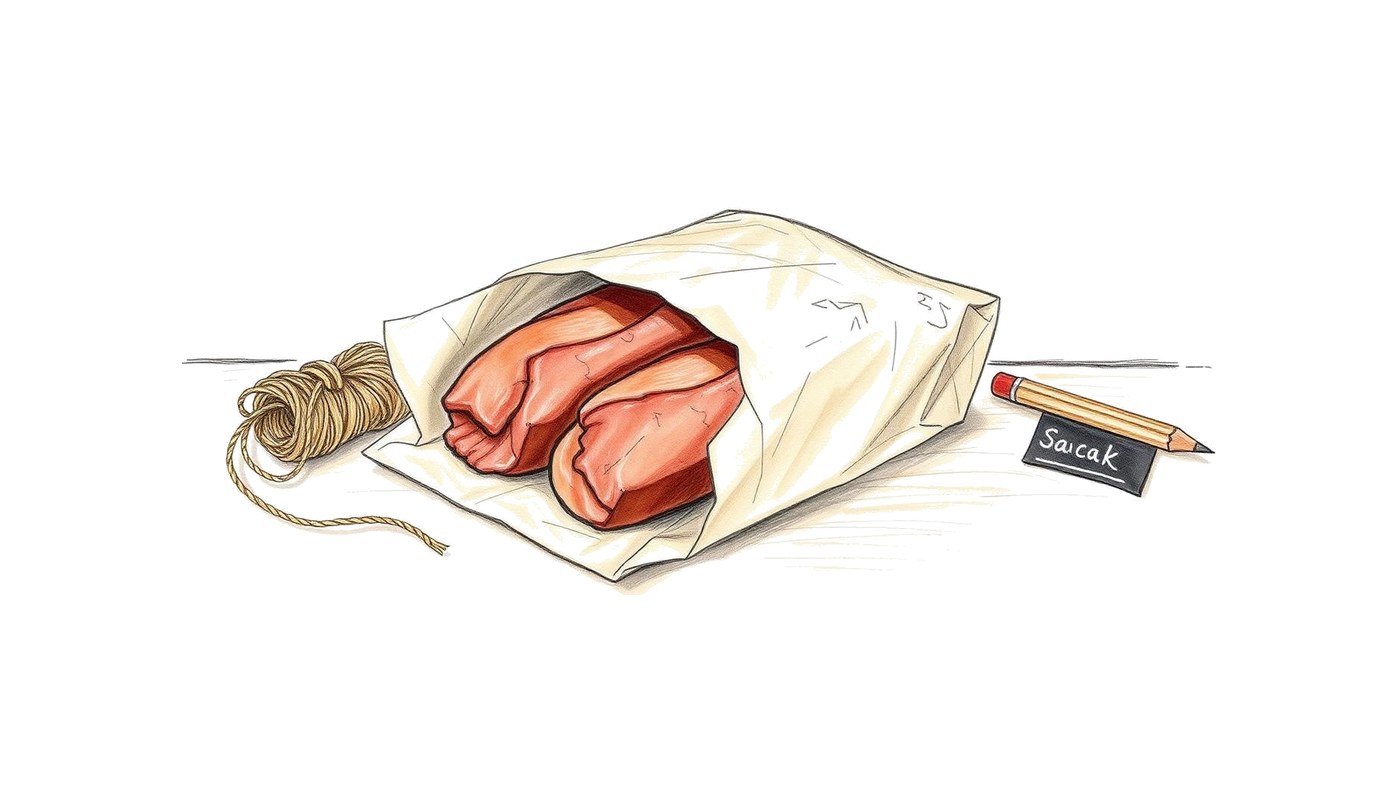
Buy breast for a quick, steak-like dinner, legs for confit and braises, and a whole bird when you want a roast plus rendered fat and stock. The cut decides the method far more than the brand does.
Updated
Why the cut decision comes before the seller decision
Duck cuts are not interchangeable the way chicken pieces broadly are. A duck breast is a lean muscle sitting under a thick fat cap, and it wants high, direct, attentive heat for minutes. A duck leg is a hard-worked muscle full of connective tissue, and it wants low heat for hours. Buy one when the recipe wanted the other and no amount of technique rescues it.
Work in this order: pick the dish, pick the cut it needs, then find a seller who names that cut on the label. Shopping the other way round — buying whatever duck is available and then choosing a recipe — is how people end up slow-cooking a breast.
The four things you can actually buy
| What you buy | Best method | Effort | Also gives you |
|---|---|---|---|
| Whole duck | Roasting as a centrepiece, or breaking down into parts | Highest — hours of oven time plus carving | Legs, rendered fat, and a carcass for stock |
| Breast | Pan-searing, cold-pan render, skin-side first | Lowest — one pan, well under an hour | Enough rendered fat to cook a side dish in |
| Leg quarters | Confit, braising, slow roasting | Moderate, but almost all of it unattended | Fat to top up a confit batch and reuse |
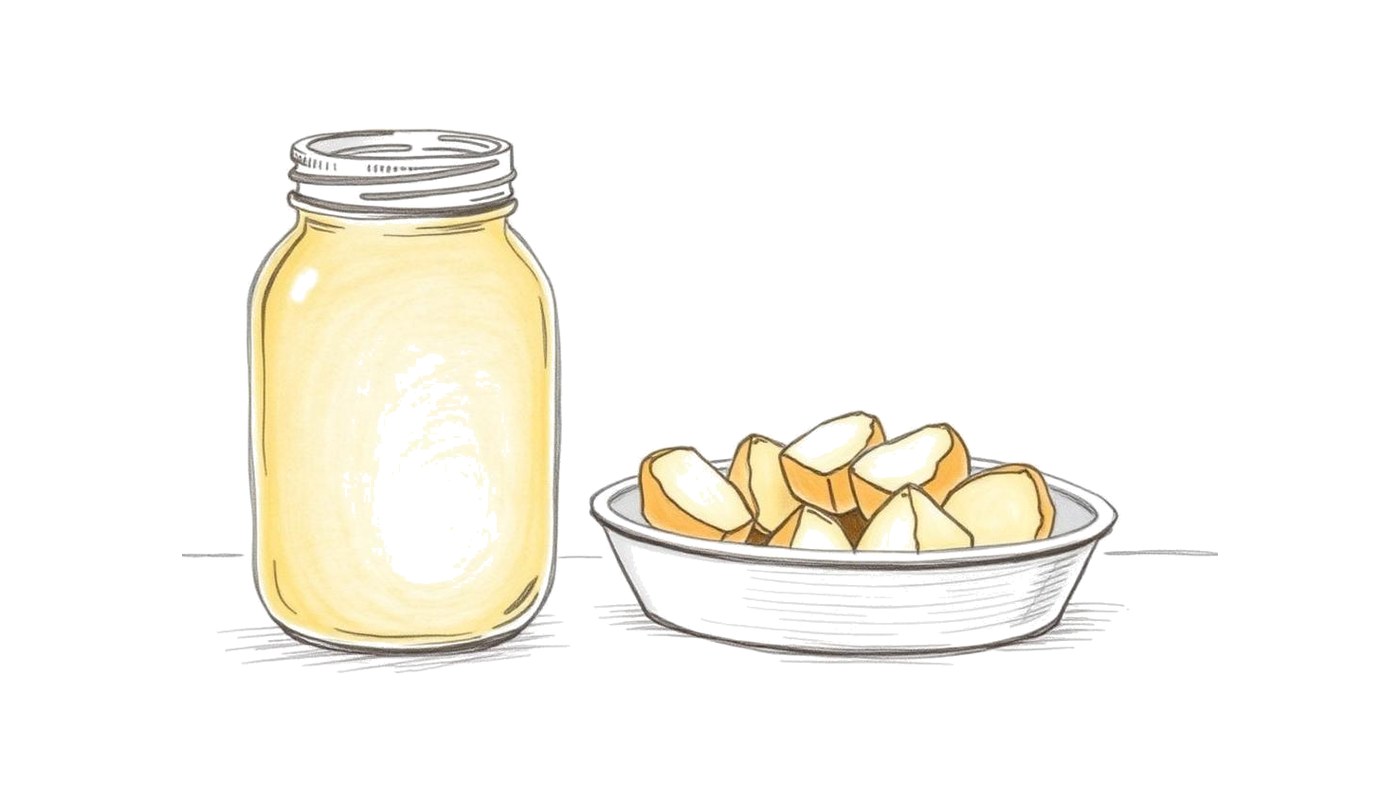
| Rendered duck fat | Roast potatoes, vegetables, searing, confit volume | None — it is already done | Nothing else; buy it for volume or convenience |
Whole bird versus breasts and legs
A whole duck is the most flexible thing you can buy, and the most demanding. Roasted intact it is a genuine centrepiece, but the breast and the legs want different temperatures for different lengths of time, which is the whole reason whole-duck roasting has a technique of its own. Broken down instead, one bird gives you two breasts, two legs, a heap of trim to render, and a frame for stock — three separate cooks from one purchase.
Buying parts trades that flexibility for control. Two breasts cook in one pan to one doneness. Four legs go into one confit batch and hold in the fridge for weeks. Nothing on the tray is compromising for anything else on the tray.
Start from the dish
| The dish you want | Buy | Read next |
|---|---|---|
| Seared, pink, plated main with crisp skin | Breast, skin on | How to cook duck breast |
| Confit, rillettes, or shredded duck | Leg quarters | Duck leg confit |
| A roast centrepiece for a table | Whole duck | Whole roast duck |
| Roast potatoes that taste like a restaurant's | Rendered duck fat | Ways to use duck fat |
| Duck ragù, tacos, or pie filling | Leg quarters | Duck leg confit |
| Stock or broth | Whole duck, or a saved carcass | How to carve a duck |
The technique pages behind those rows are how to cook duck breast, duck leg confit, whole roast duck, and ways to use duck fat. If you already have duck in the fridge and want the decision made for you, the what-should-I-cook tool asks five questions and picks a method.
The label terms that change the cut you're getting
The term worth finding on the package is the age class in the USDA labelling vocabulary for duck: younger birds sold as duckling are tender enough for dry-heat cooking such as roasting, while a bird labelled as a mature duck is better suited to slower, moist cooking. That distinction is defined by the labelling rules, so it is one you can actually act on.
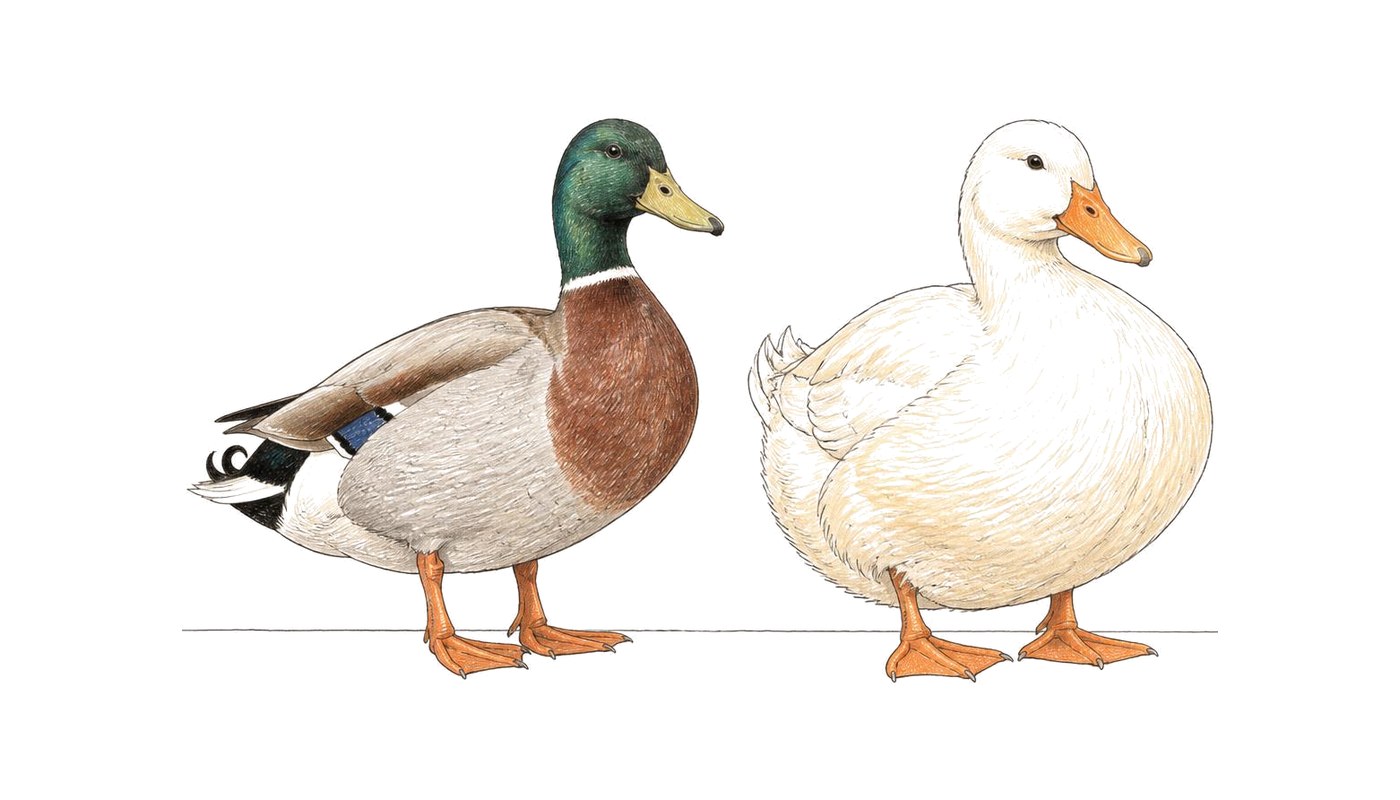
Everything else — “premium,” “gourmet,” “select” — has no defined meaning and tells you nothing about what will happen in your pan. Some listings also name a breed. We have not verified breed-by-breed cooking differences against a source we would stand behind, so we do not publish adjustments by breed; judge the bird in front of you on its fat cap and skin instead, using our selection checks.
One number that applies to every cut
Whichever cut you buy, the safety target is the same: 165°F (73.9°C) internal, measured with a food thermometer, whole birds and pieces alike.† Restaurant convention for a pink breast sits below that, which is a decision worth making deliberately rather than by accident; the doneness guide sets the two side by side.
What this page is based on
- Our own technique pages for breast, legs, and whole-bird roasting, and what each method needs from the cut.
- USDA labelling and handling guidance for duck, including the age classes you see on a package.
- The yield assumptions published in our whole-duck serving calculator.
Evaluation basis. Cut-to-method fit, drawn from our own technique pages and USDA labelling conventions. Prices and availability come from the seller you buy from.
Next steps once you've picked the cut
Two pages that turn a cut into an order.
- Where to buy duck online
Once you know the cut, this is the framework for finding a seller that actually names and stocks it.
- How much duck per person
Turn the cut you chose into a shopping weight before you order.
Common questions
- Is a whole duck cheaper than buying breasts?
- Per kilo it usually is, but the comparison only means something once you account for bone, rendered fat, and the parts you won't serve. A whole bird also gives you legs, fat, and a carcass for stock, so it is best judged as three purchases in one rather than as a straight price-per-kilo swap.
- Which cut should a first-time duck cook buy?
- A single duck breast. It cooks in one pan in under half an hour, it teaches you what rendering fat looks and sounds like, and a mistake costs you one portion instead of a centrepiece.
- Can I use duck breast for confit?
- No. Confit depends on the connective tissue and fat structure of the leg, which breaks down over hours of low poaching. A breast cooked that way turns dry and grey rather than tender.
- Does the breed on the label change which cut I should buy?
- Not for this decision. Breed names are description rather than a defined labelling claim, and we publish no breed-by-breed cooking adjustments because our cited sources do not support them. Pick the cut from the dish, then judge the individual bird on its fat cap and skin.
References
- Duck and Goose from Farm to Table — USDA Food Safety and Inspection ServiceHandling, labelling, storage and cooking guidance specific to duck and goose.Reference checked 2026-08
- Safe Minimum Internal Temperature Chart — USDA Food Safety and Inspection ServiceAll poultry, including duck and duck pieces, is listed at a 165°F (73.9°C) safe minimum internal temperature.Reference checked 2026-08
Related guides
- How Much Duck Per PersonCooked-weight portions, whole-bird yield, and when to size up.
- Where to Buy Duck OnlineEight things to compare before you pay for cold-chain shipping.
- How to Cook Duck BreastThe cold-pan method, why it works, and how to rescue it when it doesn't.
- Whole Roast DuckThe full workflow, from dry-fridge prep to a rested, carvable bird.
- Duck Leg ConfitCure, poach, chill, crisp — and the storage rules people get wrong.
- What Should I Do With This Duck?Answer five questions, get a method that suits what you have.
- How to Choose a DuckWhat to look at, what to read, and what to walk away from.
- Wild Duck vs Farmed DuckWhy farmed-duck technique fails on a wild bird — and what to change.
- What Does Duck Taste Like?Closer to steak than chicken — and why fat, not gaminess, drives the flavour.