
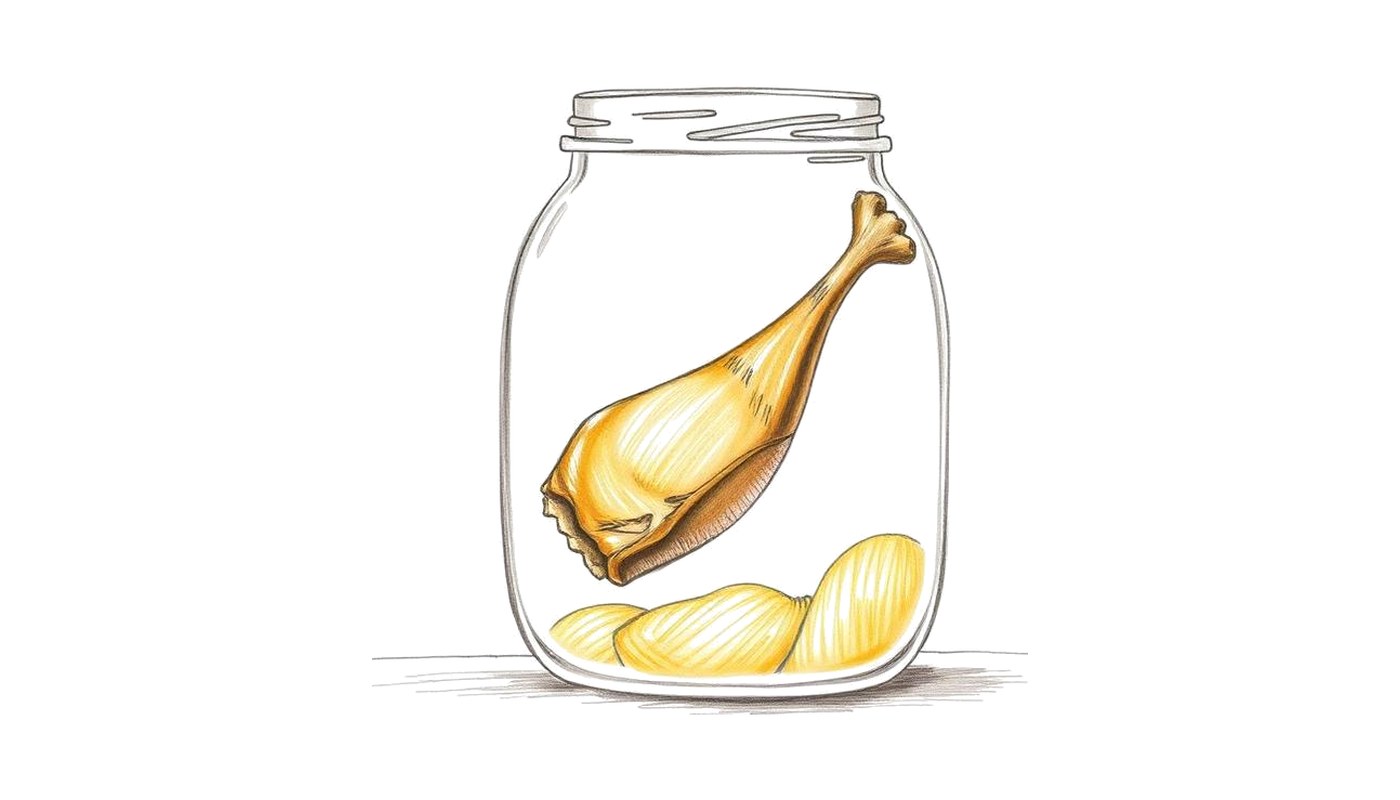
Why salt cure first
Duck legs are dense working muscle — flavourful but tough if cooked quickly. A dry salt cure applied before poaching draws surface moisture out through osmosis, seasons the meat all the way through rather than just the surface, and firms the texture slightly so the meat holds together through a long, slow cook instead of falling apart into mush. It is not primarily what makes confit shelf-stable — the fat and the cooking do that work — but skipping the cure gives you bland, wetter meat.
Cure ratio and timing
A widely used starting point is 1.5–2% salt by weight of the legs — for four legs weighing roughly 1.2 kg (2.6 lb) total, that's about 18–24 g (1–1.5 tbsp) of salt. Add crushed garlic, thyme, bay and cracked black pepper to taste; these flavour the surface but don't affect the cure's function. Rub the mixture over the legs, lay them in a single layer on a tray, cover, and refrigerate.
| Cure time | Result |
|---|---|
| 6–8 hours | Light seasoning, subtler flavour, softer texture |
| 12–24 hours | The commonly used range — well-seasoned without tasting overtly salty |
| 36+ hours | Firmer, more intensely seasoned; rinse thoroughly before cooking |
Rinse the cure off and pat the legs fully dry before they go into the fat — residual surface salt concentrates unevenly during the long poach otherwise.
How much fat you need — and getting away with less
Classic confit fully submerges the legs in rendered duck fat, which for four legs in a snug pot generally means 1–1.5 L (about 4–6 cups). That's a meaningful amount if you're not already sitting on rendered fat from previous roasts — see how to render duck fat to build up a supply. If you don't have enough, choose a pot or deep baking dish sized close to the legs so less fat is needed to submerge them, and top up the shortfall with a neutral oil — the legs won't taste identical to an all-duck-fat confit, but they'll still poach and protect properly as long as they stay fully covered.
The low-temperature poach window
Confit is poached, not simmered — the fat should hold at roughly 190–210°F (88–99°C), well below a rolling simmer, with the smallest bubbles occasionally breaking the surface. In a domestic oven this usually means setting the dial to 200–225°F (93–107°C) and checking the fat temperature directly with a thermometer rather than trusting the dial, since oven thermostats are least accurate at low settings. Cook uncovered or loosely covered for 2.5–3.5 hours, until the meat is fork-tender and pulls easily from the bone but hasn't disintegrated.
Cure
Rub legs with 1.5–2% salt by weight plus aromatics, and refrigerate 12–24 hours.
Rinse and dry
Rinse off the cure and pat the legs completely dry before they meet the fat.
Submerge in fat
Arrange legs snugly in a pot or dish and pour in enough melted duck fat (or a duck-fat-and-oil blend) to fully cover them.
Poach low and slow
Hold the fat at 190–210°F (88–99°C) in a 200–225°F (93–107°C) oven for 2.5–3.5 hours, checking with a thermometer rather than the dial.
Watch for Visible simmering or bubbling — that means the fat is too hot and the meat will toughen instead of tenderizing.
Check doneness
The meat should pull easily from the bone with light pressure and register at least 165°F (73.9°C) internally.
Cool and store
Cool the legs in the fat, then transfer to a covered container, submerged, and refrigerate.
Crisp to serve
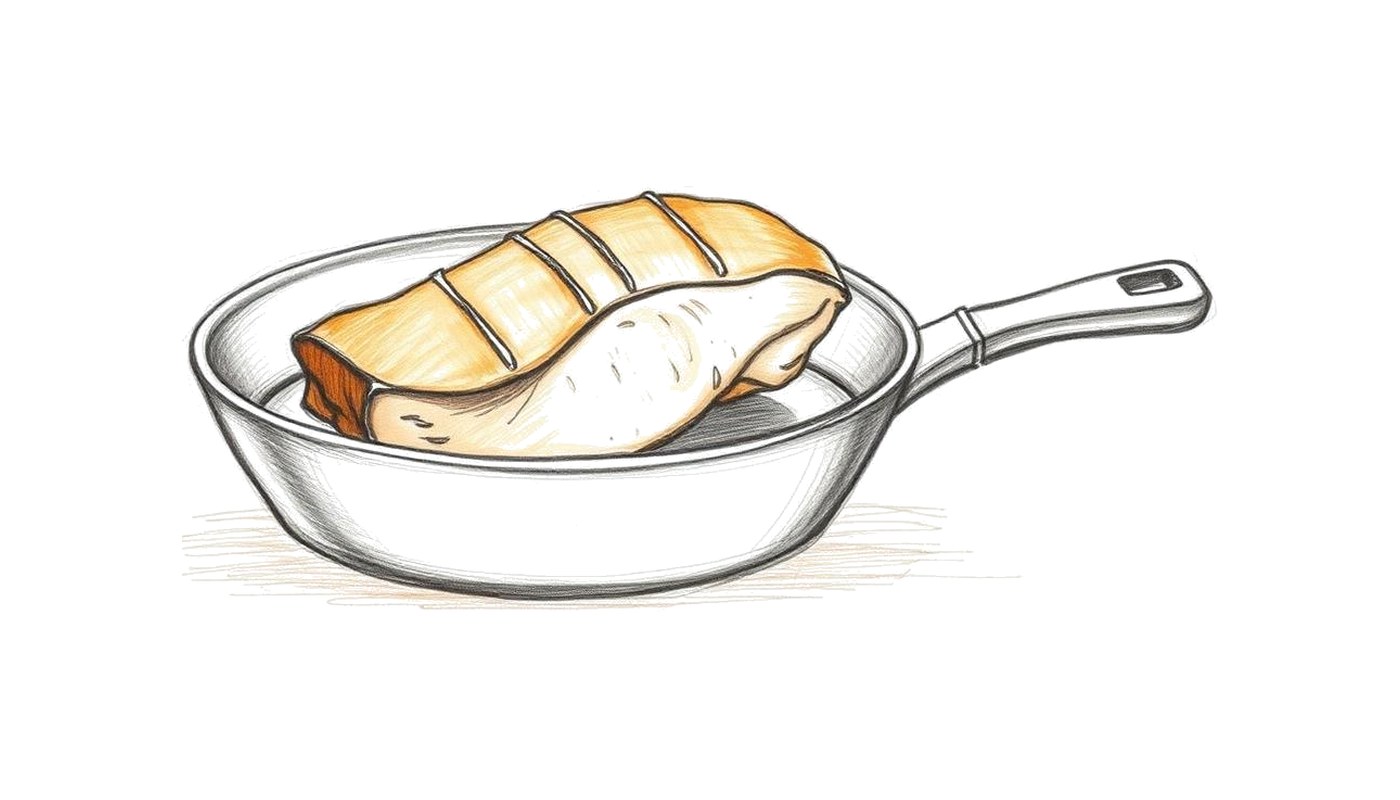
Lift legs from the cold fat, scrape off excess, and crisp skin-side down in a hot pan or a 425°F (218°C) oven for 10–15 minutes before serving.
Cooling, storage and an honest note on tradition
Traditional confit was stored fat-sealed at cool cellar temperature for weeks or months, which made sense before refrigeration was universal and salt levels were often higher than modern recipes use. That is not a food-safety practice current guidance recommends. Cool the cooked legs, keep them submerged in their fat, and refrigerate — properly chilled, fat-sealed confit should be treated like any other cooked poultry: use it within 3–4 days, and never hold it at room temperature. If you want longer storage, freeze the legs in their fat — 2–3 months is comfortable — instead of relying on a room-temperature seal.
Use the Whole Duck
Nothing here needs to go in the bin. Each of these is worth more than the packaging suggests.
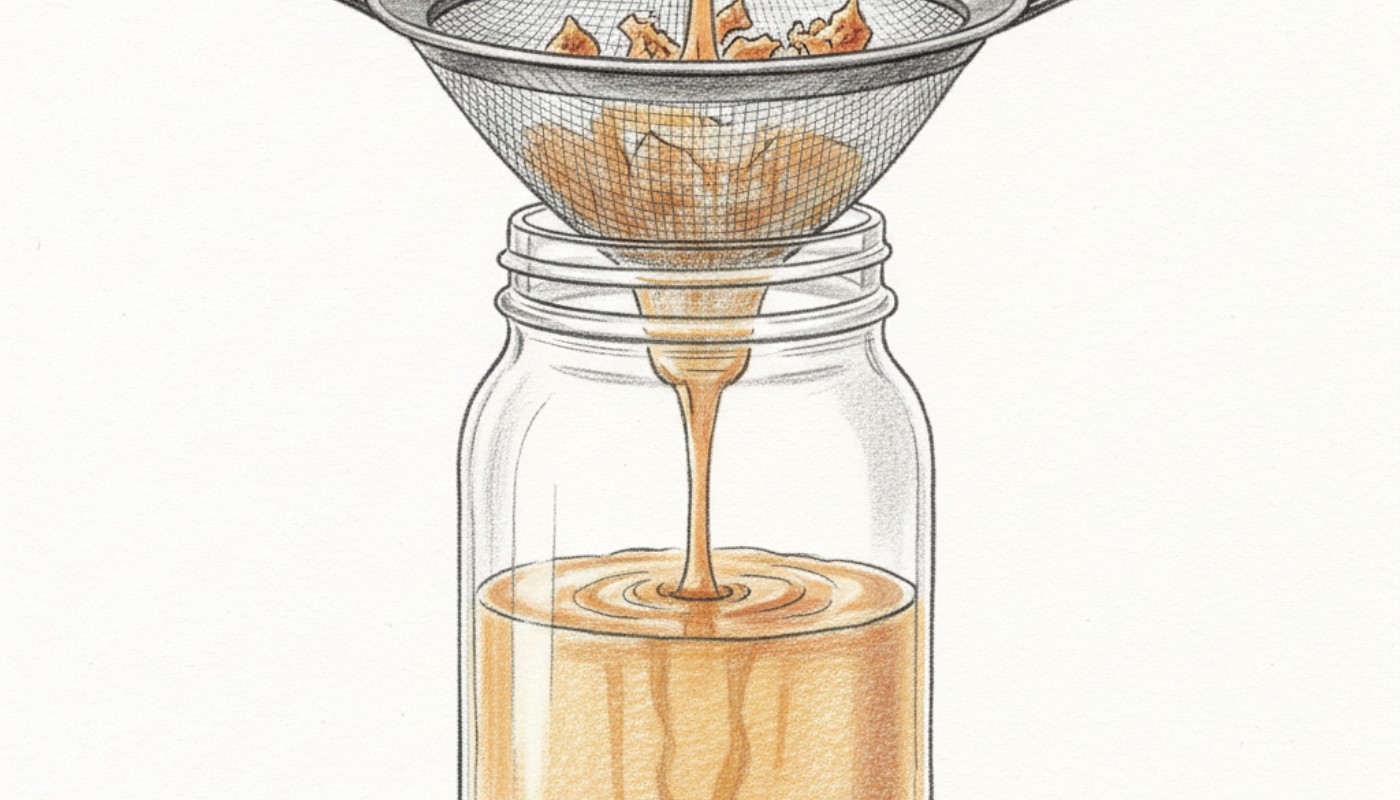
Poaching fat
Strain and refrigerate — it takes on rich, savoury flavour from the cure and can be reused for another batch of confit or for roasting potatoes.
15 ways to use duck fat
Common questions
- Can I confit without curing the legs first?
- You can skip the cure and season only at the surface, but the meat will taste flatter and slightly wetter; the cure is what carries seasoning through the muscle.
- Why did my confit turn out tough instead of tender?
- The fat likely ran too hot — a visible simmer toughens the muscle fibres instead of slowly breaking down connective tissue. Hold it at 190–210°F (88–99°C) and check with a thermometer.
- Is it safe to store confit at room temperature the traditional way?
- Modern food-safety guidance does not recommend it. Refrigerate confit, keeping the legs submerged in fat, and treat it like any other cooked poultry with a 1–2 week refrigerated window.
References
- Safe Minimum Internal Temperature Chart — USDA Food Safety and Inspection ServiceAll poultry, including duck and duck pieces, is listed at a 165°F (73.9°C) safe minimum internal temperature.Reference checked 2026-08
- Leftovers and Food Safety — USDA Food Safety and Inspection ServiceCooked poultry keeps 3–4 days refrigerated; reheat to 165°F.Reference checked 2026-08
- Refrigerator & Freezer Storage Chart — U.S. Food and Drug AdministrationCold-storage windows for raw and cooked poultry.Reference checked 2026-08
If you're deciding what to buy
Confit is the one duck cook where the shopping list is the hard part.
- Duck fat buying guide
Which format actually gives you enough fat to submerge the legs, and when rendering your own wins.
- Best thermometer for duck
A long, low cook is easier to hold steady with a probe than with the oven dial alone.

Related guides
- How to Render Duck FatFrom trim to a clean jar, plus honest storage windows.
- Duck Fat Buying GuidePackaging, labels, storage — and how much you actually need.
- Best Pot for Duck ConfitFit beats brand — and you may already own the right pot.
- 15 Ways to Use Duck FatWhere duck fat beats butter or oil, and where it's just expensive.
- How to Thaw Duck SafelyFridge-first planning times, plus the cold-water fallback when you're late.
- Duck Leg ConfitSalt-cured legs poached slowly in their own fat, then crisped to order — the most forgiving duck there is.
- Best Herbs & Spices for DuckFive flavour families, why each suits duck fat, and where each one clashes.