
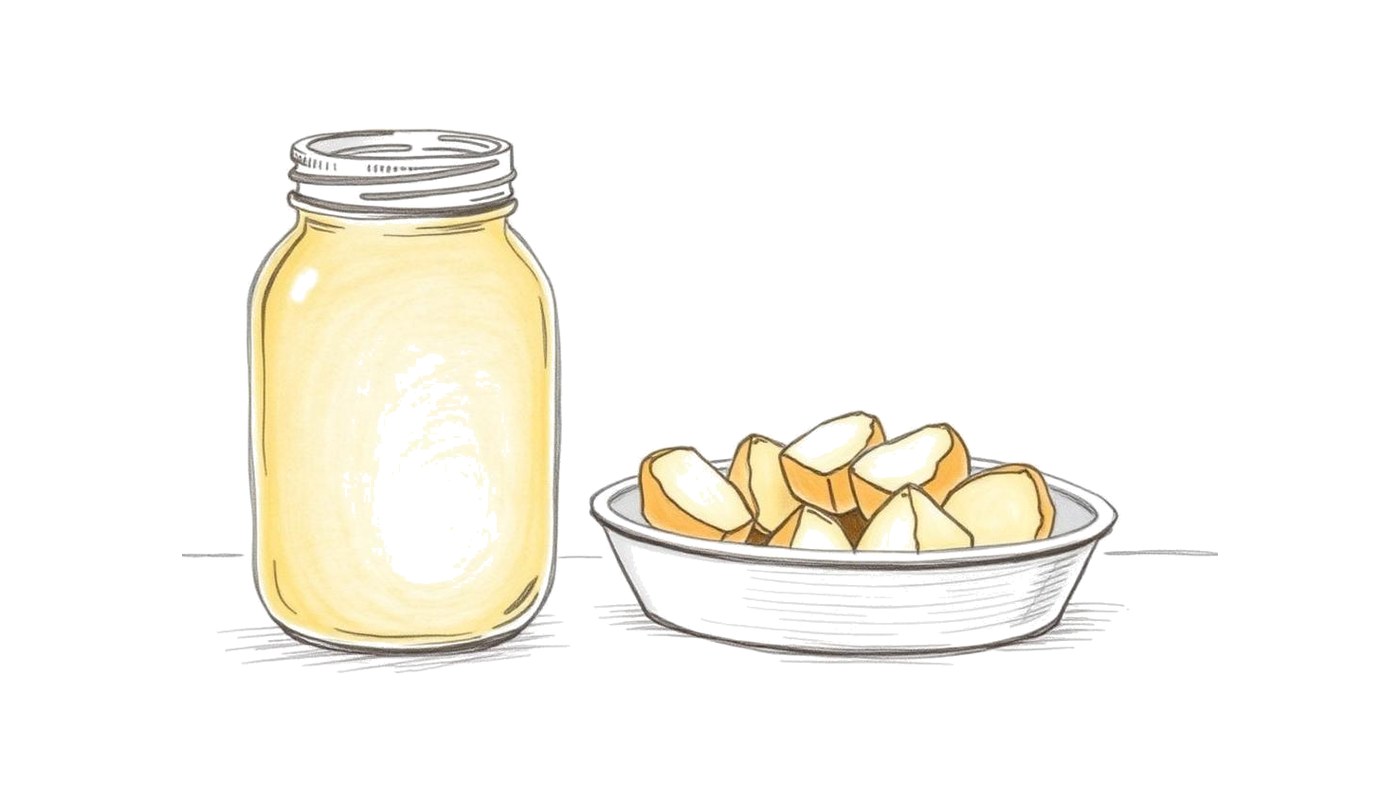
Why duck fat behaves differently
Duck fat is almost entirely fat with very little water, unlike butter, which is roughly 15–18% water and milk solids. That means it doesn't spatter or foam the way butter does at searing temperatures, and it carries a savoury, faintly meaty flavour that neutral oils don't. Its published smoke point is commonly cited around 375°F (190°C), but that number shifts with how well the fat was rendered and strained — treat any smoke-point figure you see, including this one, as approximate rather than a lab-verified constant for the jar in your fridge.
Potatoes and root vegetables
1. Roast potatoes
What it does: Coats the surface for a shatter-crisp crust while the interior stays fluffy — the classic use case people buy duck fat for.
Amount: 2–3 tbsp (28–42 g) melted fat per 500 g potatoes, tossed after parboiling.
Pitfall — Overcrowding the pan steams the potatoes instead of roasting them; use a pan wide enough for a single layer.
2. Confit-style root vegetables
What it does: Low, slow submersion in fat cooks carrots, parsnips or celeriac to a tender, almost custardy texture without browning.
Amount: Enough fat to fully submerge the vegetables, typically 300–500 g for a small batch.
Pitfall — Running the oven too hot turns confit into fried vegetables — keep it around 200–225°F (93–107°C).
3. Hash
What it does: Gives diced potato a savoury crust that plain oil doesn't, especially good under a fried egg.
Amount: 1–2 tbsp (14–28 g) per two servings.
Pitfall — Using cold fat straight from the fridge cools the pan and stalls browning — melt it first.
4. Duck-fat fries
What it does: A double-fry finished in duck fat picks up flavour a neutral-oil fry can't.
Amount: Reserve duck fat for the final short fry only; a full deep fryer of it is expensive and unnecessary.
Pitfall — Duck fat solidifies as it cools, so fries can turn greasy-feeling if not drained and served hot.
Eggs and brunch
5. Fried eggs
What it does: Crisps the edges of the white while keeping the yolk gently cooked, with a rounder flavour than oil.
Amount: 1 tsp (about 5 g) per egg, just enough to coat the pan.
Pitfall — Too much fat turns a fried egg into a shallow-fried one — the edges go tough and lacy rather than lightly crisp.
6. Scrambled eggs and omelettes
What it does: Adds richness without the milk solids in butter that can catch and brown too fast.
Amount: 1 tsp per two eggs.
Pitfall — Because it has no water content, it heats faster than butter — have eggs ready to go in before it starts to smoke.
7. Toasted brioche or bread for brunch plates
What it does: Gives a savoury crust that plays well against sweeter brunch components like fruit or maple.
Amount: A thin brushed layer, about ½ tsp per slice.
Pitfall — Too much soaks into the bread and turns it greasy instead of crisp.
Grains and legumes
8. Rice pilaf
What it does: Toasting rice in duck fat before adding liquid gives a savoury base note that plain oil doesn't provide.
Amount: 1–2 tbsp per cup of raw rice.
Pitfall — Burnt duck fat solids from a previous batch left in the jar will scorch and taste bitter when reheated — use clean, well-strained fat.
9. Polenta finishing
What it does: Stirred in at the end, it adds gloss and savoury depth as an alternative to butter and cheese.
Amount: 1–2 tbsp per serving.
Pitfall — Adding it too early, before the polenta thickens, dilutes rather than enriches.
10. Braised beans and lentils
What it does: A spoonful stirred in at the end rounds out the dish the way a ham hock or bacon fat would.
Amount: 1 tbsp per 2–3 servings.
Pitfall — It reads as heavy in a dish that's already fatty from other pork or sausage additions — use it as the only added fat, not a topper.
11. Croutons
What it does: Tossing bread cubes in duck fat before baking gives a savoury crunch superior to most oils.
Amount: 2 tbsp melted fat per 2 cups bread cubes.
Pitfall — Fat that solidifies as the croutons cool can make them feel greasy; serve them warm or re-crisp briefly before serving.
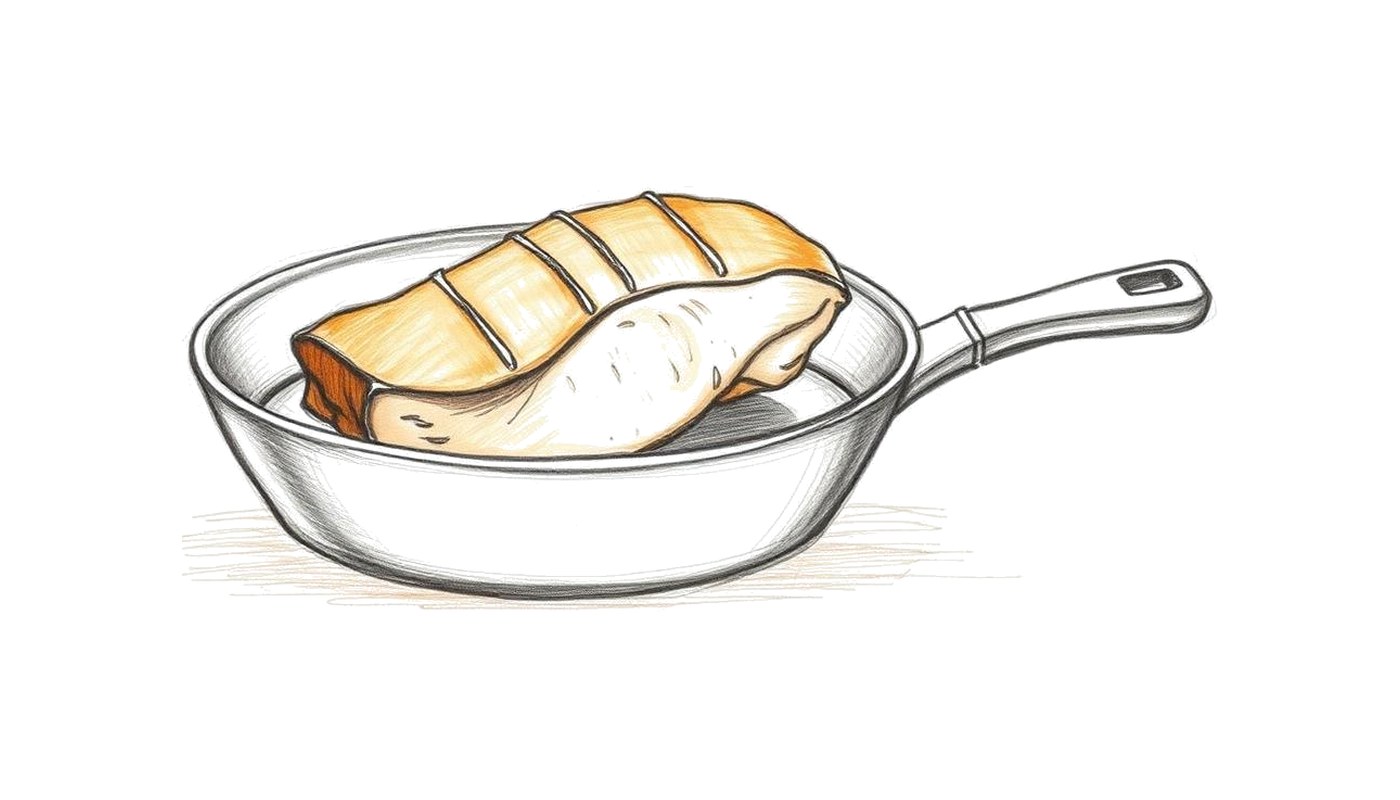
Searing and sautéing
12. Searing steak or other meats
What it does: High smoke-point tolerance and no milk solids mean it can take a hard sear without burning as fast as butter.
Amount: 1–2 tbsp per pan, enough to coat.
Pitfall — Even duck fat has a ceiling — a pan left on high heat too long past searing will still smoke and turn acrid.
13. Sautéing mushrooms or greens
What it does: Adds a savoury backbone that stands up to earthy vegetables better than neutral oil.
Amount: 1 tbsp per 2 cups vegetables.
Pitfall — Overpowers genuinely delicate vegetables like young spinach or pea shoots — save it for sturdier ones.
Confit and slow cooking
14. Confit duck legs and other slow-poached meats
What it does: Low, fully submerged cooking in fat protects lean meat from drying out over long cook times.
Amount: Enough to fully submerge the meat — typically 500 g–1 kg for a batch of legs.
Pitfall — Reused confit fat degrades in flavour after several rounds of high-protein contact; strain and taste it before reusing again.
Savoury pastry and enriched dough
15. Savoury pie crusts and enriched flatbreads
What it does: Solid at room temperature like a shortening, it produces a flaky, savoury crust that plain oil can't and that butter makes sweeter.
Amount: Substitute up to half the fat in a savoury pastry recipe for duck fat; use a cold, solid state as you would cold butter.
Pitfall — Its stronger flavour is wrong for sweet pastry — reserve it for savoury pies, tarts and crackers.
Where duck fat is not worth it
- Delicate fish. Duck fat's savoury flavour overwhelms mild fish like sole or flounder; a neutral oil or plain butter lets the fish speak.
- High-temperature deep frying beyond its comfort zone. Held for extended periods at aggressive deep-fry temperatures, duck fat degrades faster than refined vegetable oils bred specifically for that job, and it's far more expensive to keep topping up a fryer with.
- Most sweet baking. Its savoury, meaty character clashes with sugar-forward bakes like cakes and cookies — this is butter's job, not duck fat's.
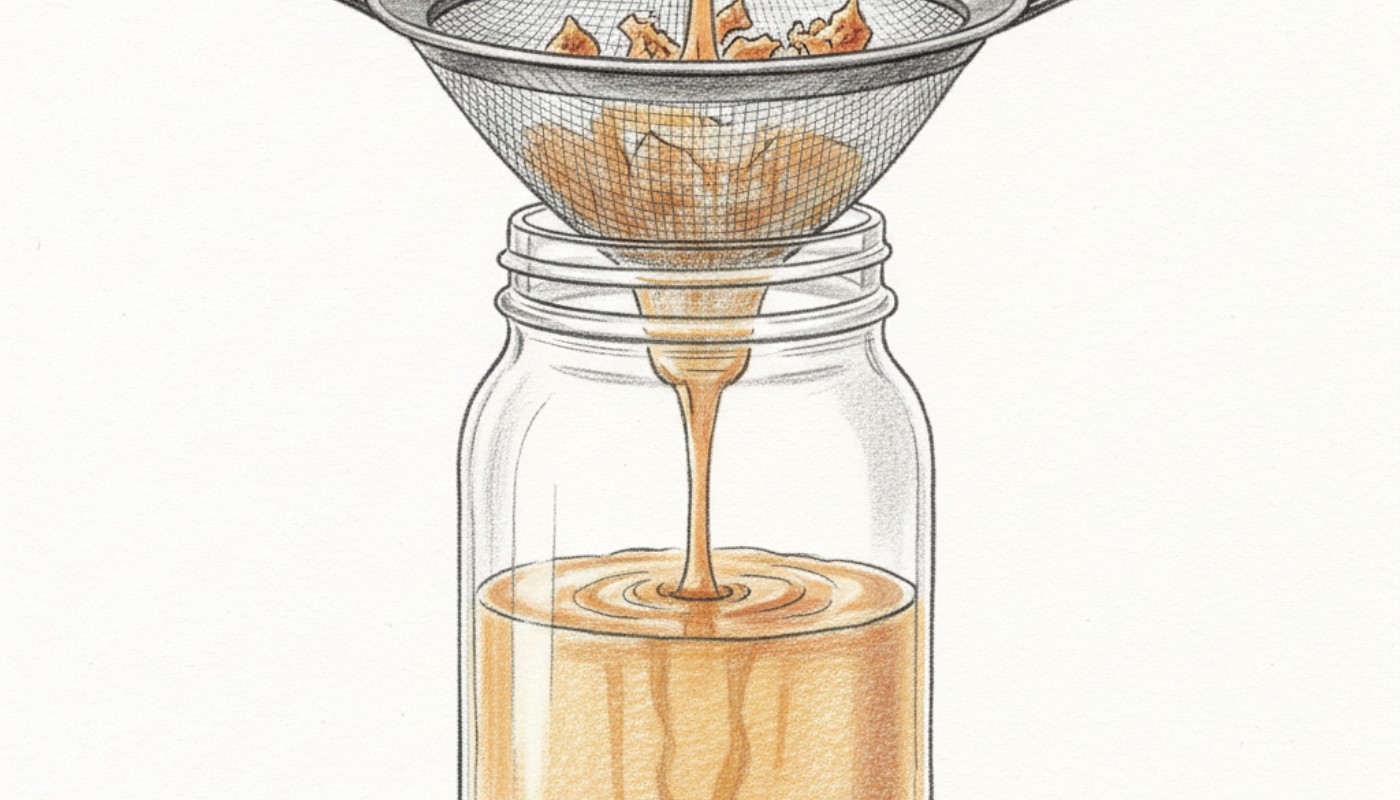
Running low? Here's the call
Most of the uses above take a spoonful. Two of them — confit and a full tray of potatoes — go through a jar fast, so it's worth deciding how you restock before you start.
You have trim, skin or a roasting tray
Render it yourself
Fat off a bird you already cooked is the same product as a tub, for the price of about an hour of low heat and careful straining.
How to render duck fatYou want it ready, or you need a lot of it
Buy it rendered
Convenience, and volume: confit needs the legs submerged, which is a tub-sized amount rather than a jar. The guide sizes the format to the use.
Duck fat buying guideThe dish doesn't hang on duck flavour
Use another fat
For searing, sautéing and anything where the fat is only a cooking medium, a neutral oil does the job. Keep the duck fat for potatoes, confit and pastry.
Work out the swap
Common questions
- Can I substitute duck fat 1:1 for butter or oil?
- Mostly yes by volume, but duck fat has no water content, so baked goods relying on butter's moisture may need a small adjustment. Use the substitution calculator to check specific swaps.
- Does duck fat need to be melted before measuring?
- For accuracy, yes — it's solid below about 68°F (20°C), and solid tablespoons pack differently than liquid ones.
Cooking duck tonight? Don't guess.
Duck fat is the second thing you buy a duck for. The playbook covers rendering it cleanly and managing it while you cook. Tell us what you're cooking in the Duck Game Plan and we'll build your temperature, timing, crispy-skin and serving plan. Subscribers also get Duck the Fundamentals, the printable 28-page playbook, a short welcome series, and occasional DeliciousDuck recipes and guides.
- Rendering fat cleanly and storing what you keep
- Fat management while searing, so skin crisps instead of steaming
- Where duck fat earns its place, and where it doesn't
- A printable kitchen card with temperatures and timings
You can also read our companion article, the Duck Cooking Starter Guide, plus the temperature and doneness guide and the calculators, right now.
Related guides
- How to Render Duck FatFrom trim to a clean jar, plus honest storage windows.
- Duck-Fat Substitution CalculatorSwap butter or oil for duck fat across tbsp, cups and grams.
- Duck Fat Buying GuidePackaging, labels, storage — and how much you actually need.
- What to Serve With Duck BreastA side-dish matrix built from your sauce, your season and your occasion.
- Duck Fat Roasted PotatoesParboiled, roughed up, and roasted in preheated duck fat until the outsides shatter and the insides stay fluffy.
- Duck Leg ConfitSalt-cured legs poached slowly in their own fat, then crisped to order — the most forgiving duck there is.
- Duck Leg ConfitCure, poach, chill, crisp — and the storage rules people get wrong.
- Best Pot for Duck ConfitFit beats brand — and you may already own the right pot.
- Is Duck Healthy?The real numbers for skin-on and skin-off duck, and how duck fat actually compares.