
Short answer
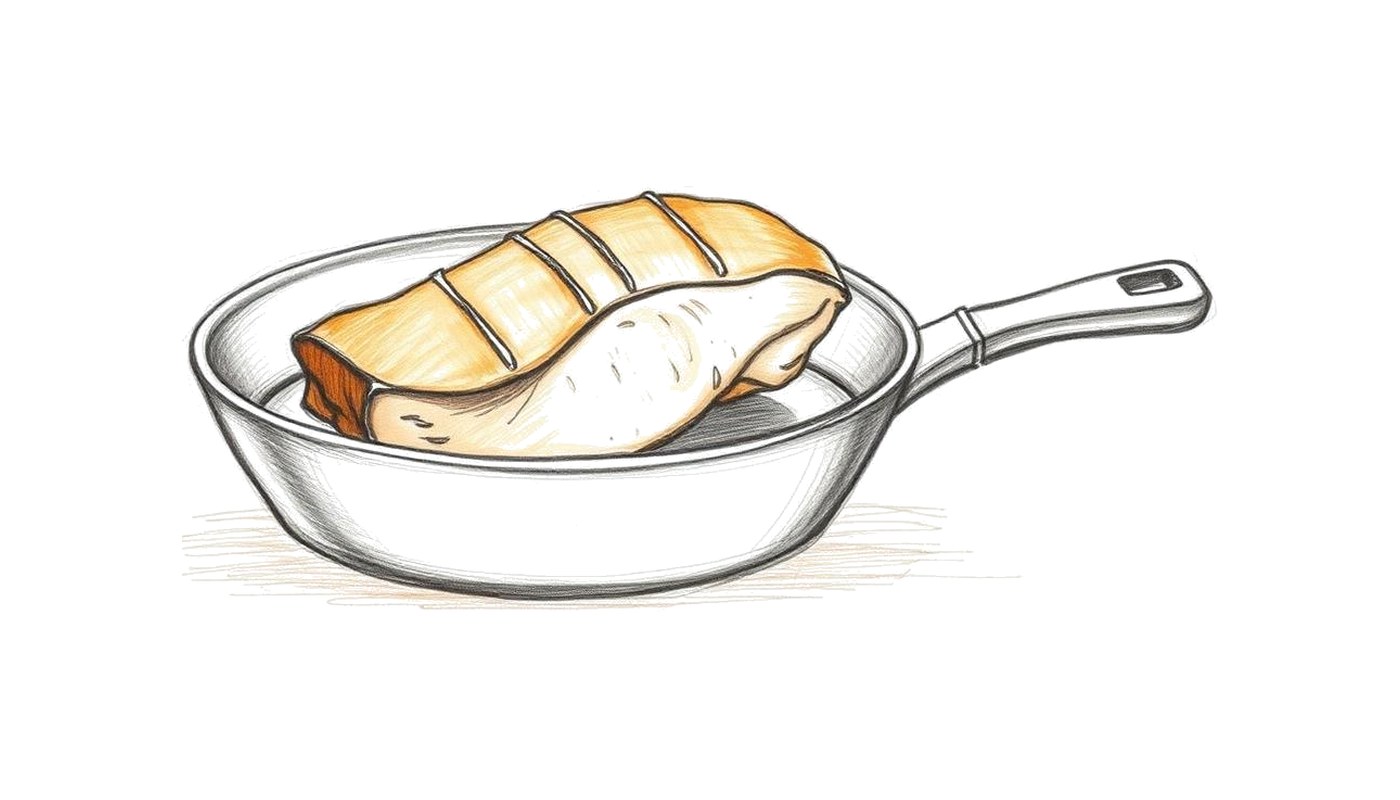
Skin stays flabby because the fat underneath never fully rendered — almost always the result of starting in a hot pan, a wet surface, or too little time on the skin side. Start skin-side down in a cold, dry pan over low heat, pour off fat as it collects, and give it 12–18 minutes before you think about browning.
Diagnose it in 30 seconds
Look at the breast right now and match what you see:
- Skin is soft, pale, and slightly gelatinous. Likely wet skin at the start, or not enough render time. Skip to items 1 and 4 below.
- Skin browned fast but is chewy underneath. Heat was too high too early. See item 2.
- Some parts crisp, other parts soft in the same pan. Overcrowding. See item 3.
- Skin was crisp off the pan but went soft on the plate. Sauce touched the skin, or it rested wrong. See items 5 and 7.
- Skin never crisped at all, even after a long cook. It probably wasn't scored. See item 6.
Quack Fix: seven reasons duck skin won't crisp
Work through these in order of how often each one actually causes the problem.
Skin surface is wet or glistening before it hits the pan
- Likely cause
- Moisture on the skin has to evaporate before browning can even start, and it steams the surface in the meantime instead of drying it
- Fix now
- Pull the breast out, blot it thoroughly dry with paper towel on both sides, and start again in a clean, dry pan
- Prevent next time
- Pat skin fully dry immediately before cooking; an uncovered rest in the fridge beforehand also helps dry it out
Pan was hot when the breast went in
- Likely cause
- High heat browns and seizes the skin surface before the fat cap underneath has time to render out
- Fix now
- Lower the heat immediately and be patient; you can partially recover render time but the surface is already set
- Prevent next time
- Start in a cold or barely warm pan and let heat climb gradually over 8–12 minutes
Some breasts crisp, others in the same pan stay soft
- Likely cause
- Overcrowding drops local pan temperature unevenly and traps steam between breasts, especially where they touch
- Fix now
- Spread the breasts out or cook in batches; separate any that are touching right now
- Prevent next time
- Leave visible gaps between pieces — cook two batches rather than crowd one pan
Skin browned but a layer of unrendered fat remains underneath
- Likely cause
- Cooking time at the render stage was cut short, often by rushing to flip
- Fix now
- Flip back skin-down and continue at moderate heat until the fat cap visibly thins and the skin turns matte gold
- Prevent next time
- Judge the flip by how the skin looks and feels, not by a fixed clock time
Skin was crisp, then went soft once sauce or glaze touched it
- Likely cause
- Liquid sauces and glazes wet the skin surface the same way pre-cook moisture does
- Fix now
- Plate the sauce underneath or beside the sliced duck rather than over the skin
- Prevent next time
- Always sauce the plate, not the skin, and add glazes only in the final seconds if the technique calls for a lacquered finish
Skin never crisps however long it cooks
- Likely cause
- The skin wasn't scored, so fat is sealed under an unbroken surface with nowhere to drain
- Fix now
- If it's early in the cook, remove, score it cold, and restart; if it's already cooked through, there's no fixing that piece
- Prevent next time
- Score through the fat cap in a parallel or diamond pattern before the breast goes anywhere near heat
Skin was perfect off the pan but soft by the time it's served
- Likely cause
- Resting skin-side down or under a tight cover traps steam against the crisp surface
- Fix now
- Nothing recovers already-softened skin; serve as is and adjust for next time
- Prevent next time
- Rest skin-side up, uncovered or loosely tented, and slice and plate promptly
Prevention checklist for next time
- Score the fat cap fully, edge to edge, while the skin is cold.
- Pat the skin completely dry immediately before cooking.
- Start in a cold, dry, heavy pan — no oil needed.
- Raise heat gradually; don't rush the render stage.
- Leave space between pieces; cook in batches if the pan is small.
- Pour off rendered fat two or three times during cooking.
- Flip on appearance — matte, deep gold — not on a fixed timer.
- Keep sauce off the skin; plate it separately.
- Rest skin-up, uncovered, and serve promptly.
If you're deciding what to buy
Two of the causes above are equipment problems rather than technique problems. These guides decide the equipment.
- Best pan for duck breast
If your render stalls or browns unevenly, the pan material is usually the variable.
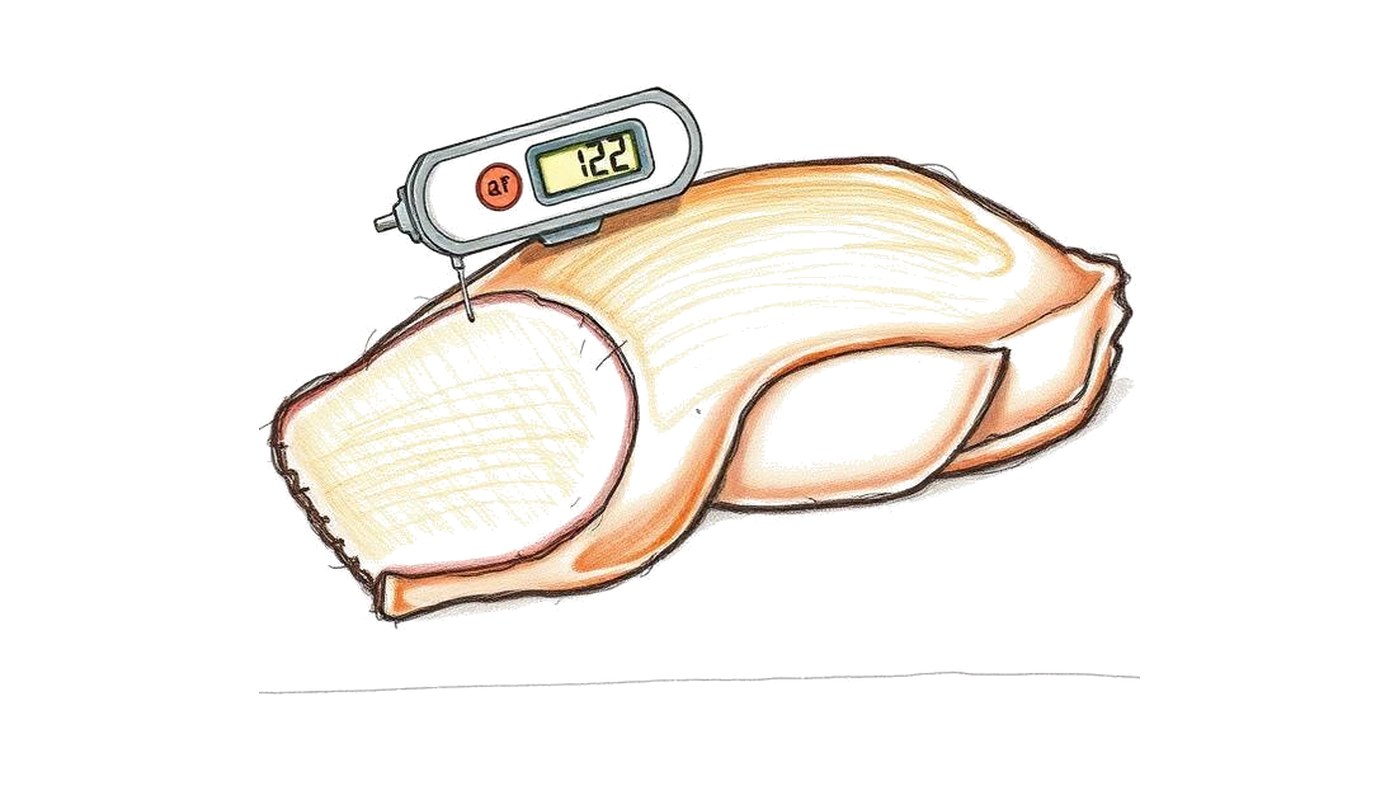
- Best thermometer for duck
If you are pulling the breast by feel, a fast probe removes the guess that costs you the skin.
Related guides
- How to Cook Duck BreastThe cold-pan method, why it works, and how to rescue it when it doesn't.
- How to Score Duck BreastDepth, pattern and knife control — the 90 seconds that decide your skin.
- Best Pan for Duck BreastThermal mass versus control, and which one your method needs.
- How to Render Duck FatFrom trim to a clean jar, plus honest storage windows.
- Pan-Seared Duck BreastScore, render cold, and finish hot for shatteringly crisp skin over a rosy, evenly cooked centre.
- Air Fryer Duck BreastAir fryer duck breast with crisp skin: render the fat gently, finish at high heat, and use a thermometer while managing smoke and hot rendered fat.
- Peking Duck at HomeA home cook's route to lacquered, shatter-crisp Peking-style duck: air-dry, scald, glaze, and roast, served with pancakes, scallion and hoisin.
- Best Sauces for Duck BreastFive sauce families, and which cooking method each one flatters.