
Short answer
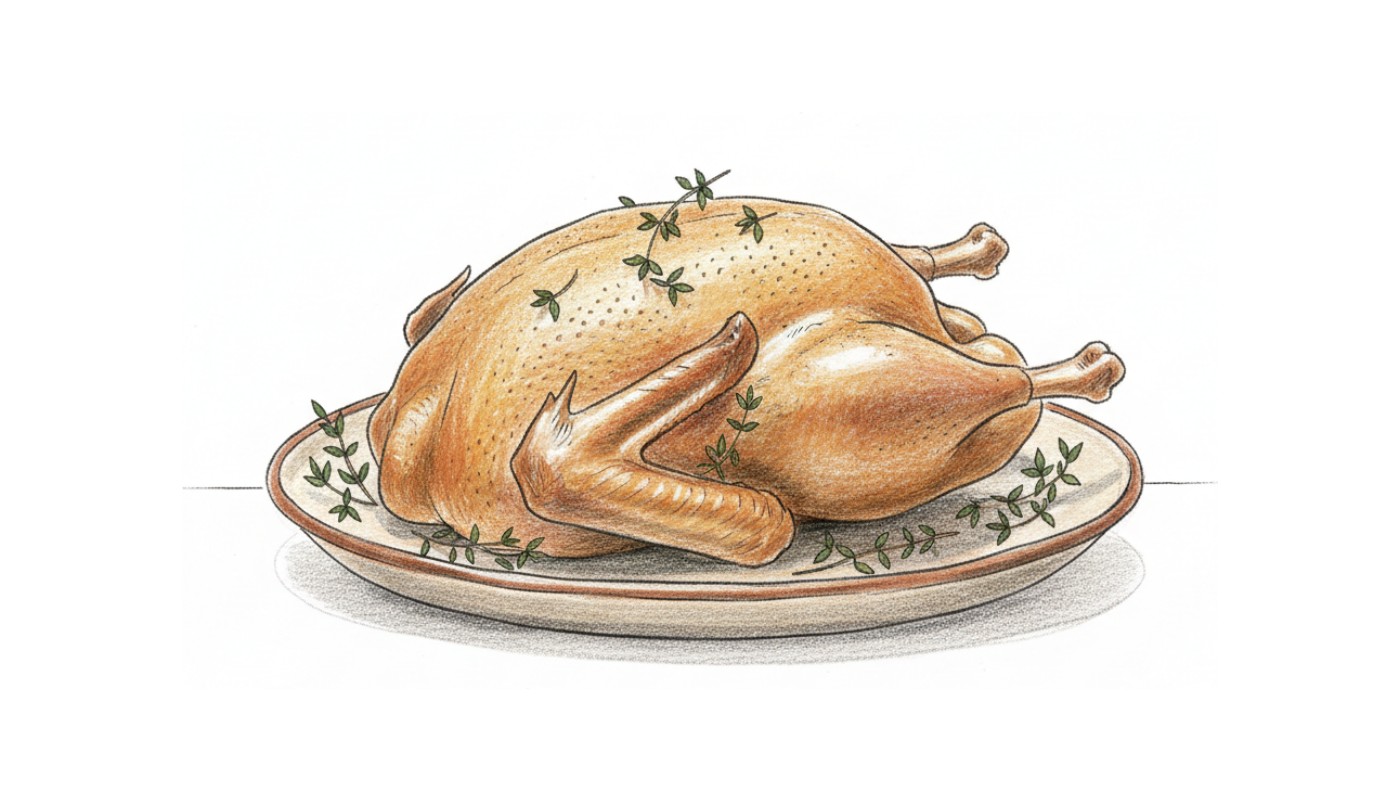
Plan on about 1¼ lb (570 g) of whole, bone-in duck per person — so a 5–6 lb bird serves four generously, three if the duck is the centrepiece. For boneless breast, one 6–9 oz (170–250 g) breast per person is right.
Updated
The arithmetic, in one paragraph
Pick a portion size. Multiply by guests. Divide by yield. That is the whole calculation. Our planning assumptions are a 40% edible cooked yield on a whole duck, and portions of 140 g for a light serving, 180 g for a standard main, and 240 g for hearty appetites. Four people at 180 g need 720 g of cooked meat, which at 40% means about 1.8 kg of raw whole duck — so buy a bird at or a little above 2 kg.
Whole duck: raw weight by guest count
| Guests | Cooked meat needed | Raw whole duck to buy | Practical guidance |
|---|---|---|---|
| 2 | 360 g | about 0.9 kg | Most whole ducks are bigger — buy one and plan leftovers |
| 4 | 720 g | about 1.8 kg | One bird in the usual 2–2.5 kg range |
| 6 | 1.08 kg | about 2.7 kg | One large bird, or two smaller ones for easier carving |
| 8 | 1.44 kg | about 3.6 kg | Two birds; one duck rarely stretches this far |
| 10 | 1.8 kg | about 4.5 kg | Two large birds, roasted together |
Adjust down to 140 g per person if duck is one of several mains, and up to 240 g if it is the centrepiece and your guests eat well.
Breasts, legs and fat
| Cut | Per person | Note |
|---|---|---|
| Duck breast | 1 breast | Plated main with sides; check the pack weight if it looks small |
| A large breast (over roughly 350 g) | 1 breast serves 1–2 | Slice thin and serve as part of a fuller plate |
| Leg quarters, confit | 1 leg | Rich enough that a second is often untouched |
| Leg meat, shredded into a sauce or filling | roughly 1 leg per 2 people | The meat goes further once it is off the bone |
| Rendered duck fat, for roasting potatoes | a generous spoonful per person | Buy or render more than you think; it keeps |
The 60% you didn't buy for nothing
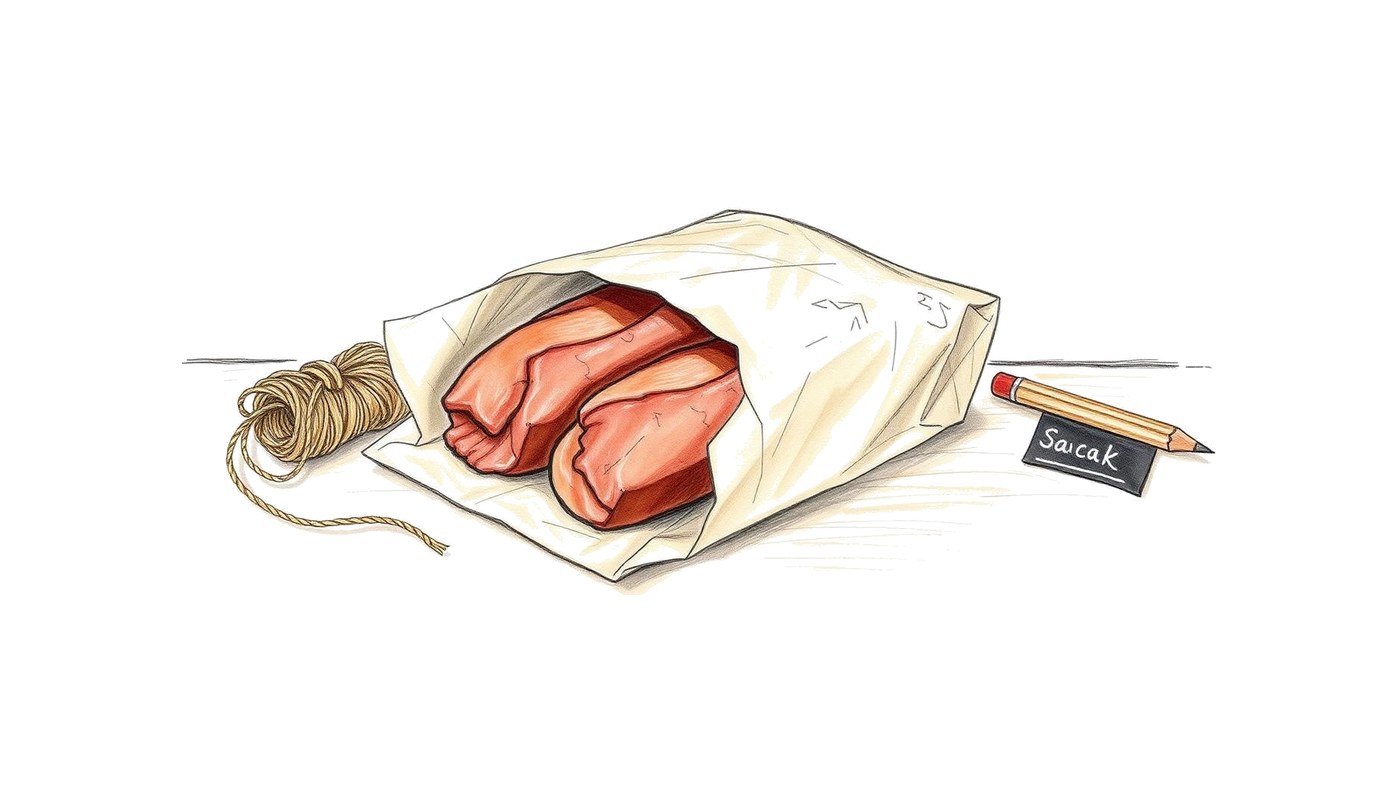
The gap between raw weight and edible meat is not waste. It is bone for stock and fat you can render and keep — the reason a whole duck is better value than the yield figure alone suggests. Rendering the trim and skin gives you cooking fat that stores for weeks, and the rendering guide covers doing it properly. If you'd rather skip the step, the duck fat buying guide works through when buying it makes more sense.
Plan the leftovers rather than fear them
Buying slightly over is usually the right call, because cooked duck is genuinely good the next day and the second cook is the expensive one. Follow USDA leftover guidance: get cooked poultry into the refrigerator within two hours of cooking, and use refrigerated leftovers within three to four days.
For serving-day timing on a whole bird, the cooking-time guide works backward from when you want to eat.
What this page is based on
- The published assumptions behind our whole-duck serving calculator: 40% edible cooked yield, and light, standard, and hearty portions of 140 g, 180 g, and 240 g.
- Carving and cut structure from our own whole-duck pages, which determine how many portions a bird actually produces.
- USDA storage guidance for what to do with the leftovers you deliberately plan for.
Evaluation basis. Stated portion-planning assumptions from our own serving calculator, offered as planning guidance rather than nutritional advice. Appetites and menus vary more than any calculator can model.
Next steps once you know your weight
Run the numbers, then work out the best way to buy them.
- Whole-duck serving calculator
Enter your guest count and appetite and it returns the number of birds and the raw weight to buy.
- Where to buy duck online
Compare a whole bird against pre-cut portions on cost per usable portion, not headline price.
Common questions
- How many people does one whole duck feed?
- A 2.2 kg (about 4.9 lb) duck yields roughly 880 g of edible cooked meat at a 40% yield, which is about four standard 180 g portions. Treat that as four people at a main course, or three if the duck is the only substantial thing on the table.
- Is one duck breast enough per person?
- Yes, for a plated main with sides. Breast weights vary a lot between suppliers, so check the pack weight against the 180 g standard portion below if you are catering tightly.
- Why is duck yield lower than chicken?
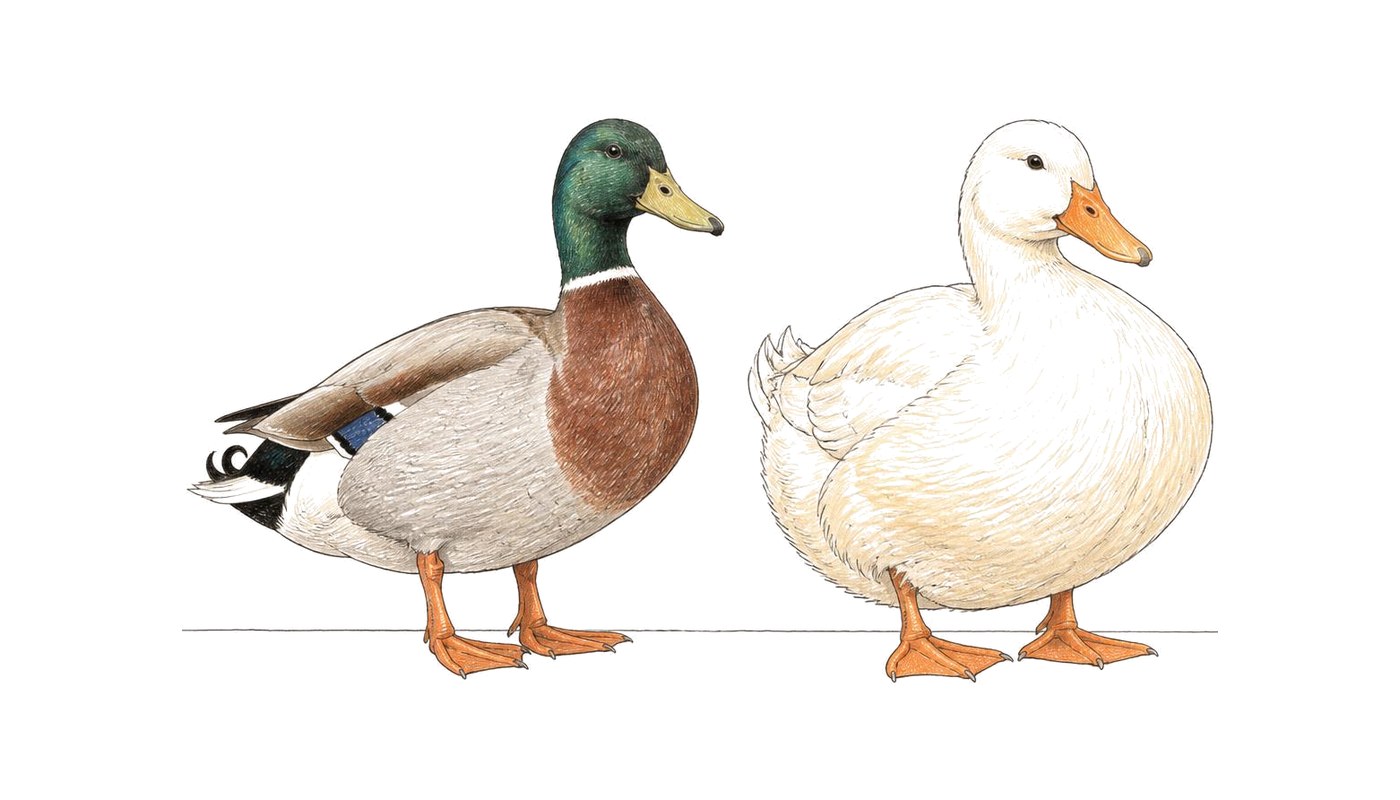
- Duck carries far more fat and a heavier frame relative to its muscle, and much of the fat renders out during cooking. That rendered fat is worth saving — it just is not meat on a plate.
- How many duck legs per person for confit?
- One leg per person as a main, or two if the legs are small and there is little else on the plate. Confit is rich, so appetites run smaller than people expect.
- Should I buy extra on purpose?
- Often yes — a slightly larger bird costs less than a second cook, and cooked duck keeps. Refrigerate cooked leftovers within two hours and use them within three to four days.
References
- Duck and Goose from Farm to Table — USDA Food Safety and Inspection ServiceHandling, labelling, storage and cooking guidance specific to duck and goose.Reference checked 2026-08
- Leftovers and Food Safety — USDA Food Safety and Inspection ServiceCooked poultry keeps 3–4 days refrigerated; reheat to 165°F.Reference checked 2026-08
Related guides
- Whole-Duck Serving CalculatorTurn a guest count into how many birds to buy.
- What Cut of Duck to BuyMatch the cut to the dish before you match it to a seller.
- Where to Buy Duck OnlineEight things to compare before you pay for cold-chain shipping.
- How to Carve a Whole DuckSix moves, in the order that keeps the skin intact and the meat hot.
- Whole Roast DuckThe full workflow, from dry-fridge prep to a rested, carvable bird.
- Thanksgiving Duck Dinner PlanChoose your table, then order date, thaw date, oven schedule and menu — with a printable checklist.
- Recipe ScalerScale any ingredient list from its original servings to yours.