
Short answer
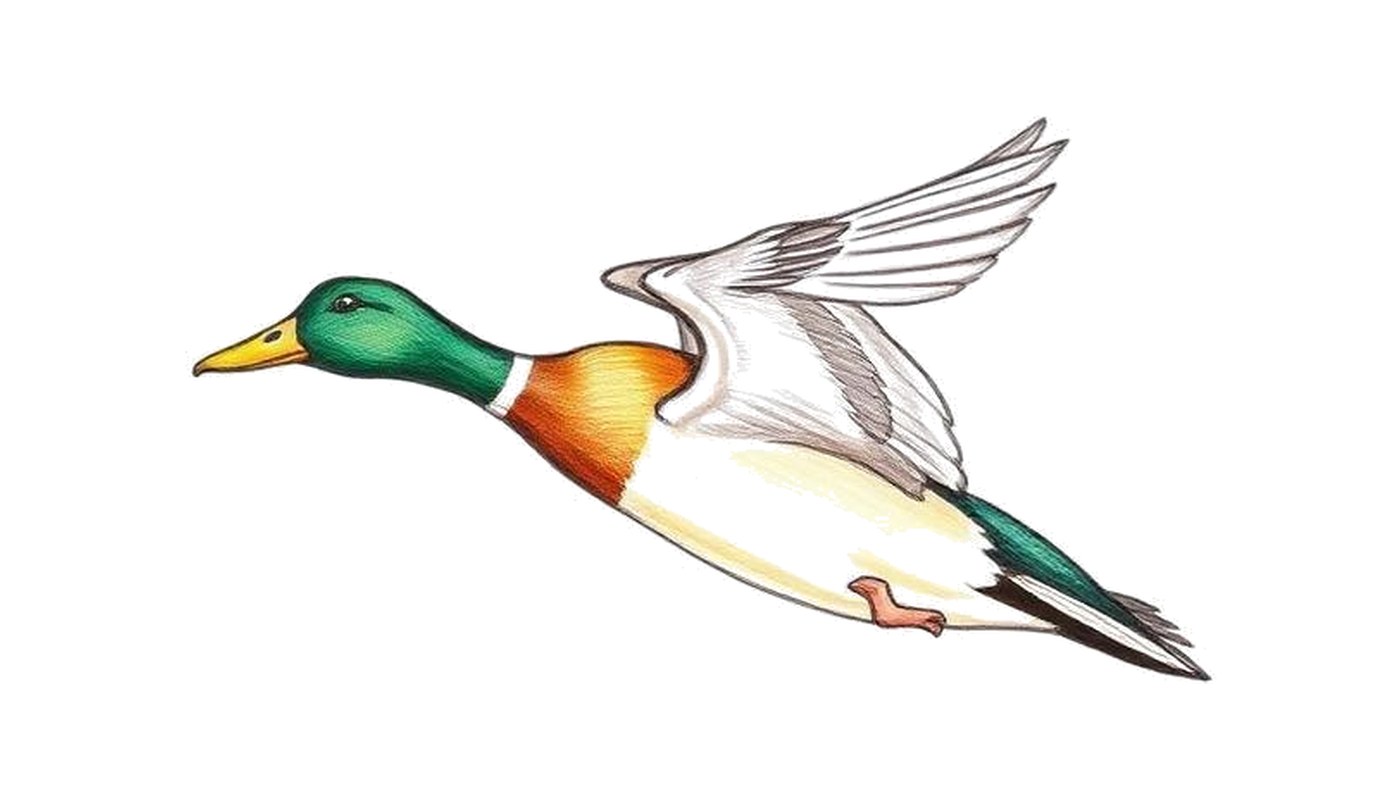
Duck tastes like rich, dark, faintly sweet red meat — much closer to a steak than to chicken, with a clean flavour that comes from its fat rather than from gaminess. Farmed duck (almost all duck sold in the US) is mild and buttery; wild duck is leaner, darker, and genuinely livery. Cooked properly, the skin is the best part: thin, crisp, and savoury.
Closer to steak than to chicken
Duck has no white meat. Every part of the bird is dark, worked muscle, so it carries the mineral, slightly iron-edged depth people associate with beef rather than the neutral flavour of a chicken breast. Cooked to a rosy medium-rare, a duck breast slices like a small steak and tastes like one that happens to be sweeter and cleaner on the finish.
The second surprise is sweetness. It is faint, but it is why fruit works so reliably with duck — cherry, plum, orange — and why a sauce with sugar in it never fights the meat. That is the logic behind the classic duck sauces, not tradition for tradition's sake.
What each cut tastes like
| Cut | Tastes like | Texture when cooked well |
|---|---|---|
| Breast, skin on | Rich, dark, faintly sweet — a lean steak with a savoury crust | Firm and juicy at 130–135°F (54–57°C), with brittle, glassy skin |
| Leg and thigh | Deeper and more savoury than breast, closer to braised beef short rib | Silky and pull-apart after slow cooking; never rosy |
| Skin | Pure savoury — the single best-tasting part of the bird | Thin and crisp only when the fat beneath it is fully rendered |
| Rendered fat | Mild, clean, faintly sweet; far less assertive than lard | Solid and silky when cold, liquid gold when warm |
Farmed duck versus wild duck
Almost every duck in an American supermarket is farmed Pekin: mild, buttery, with a generous fat cap. It is the version most people mean when they say duck tastes rich but not gamey. Moulard and Muscovy are meatier and more assertive; Pekin is the friendly default.
Wild duck is a genuinely different flavour. Lean, dark, and livery, with the diet of the bird showing up in the meat — puddle ducks like mallard taste far cleaner than fish-eating divers. It also has almost no fat cap, so the slow render that makes farmed breast great will simply dry it out. The differences that matter for cooking are laid out in wild duck versus farmed duck.
Doneness changes the flavour more than seasoning does
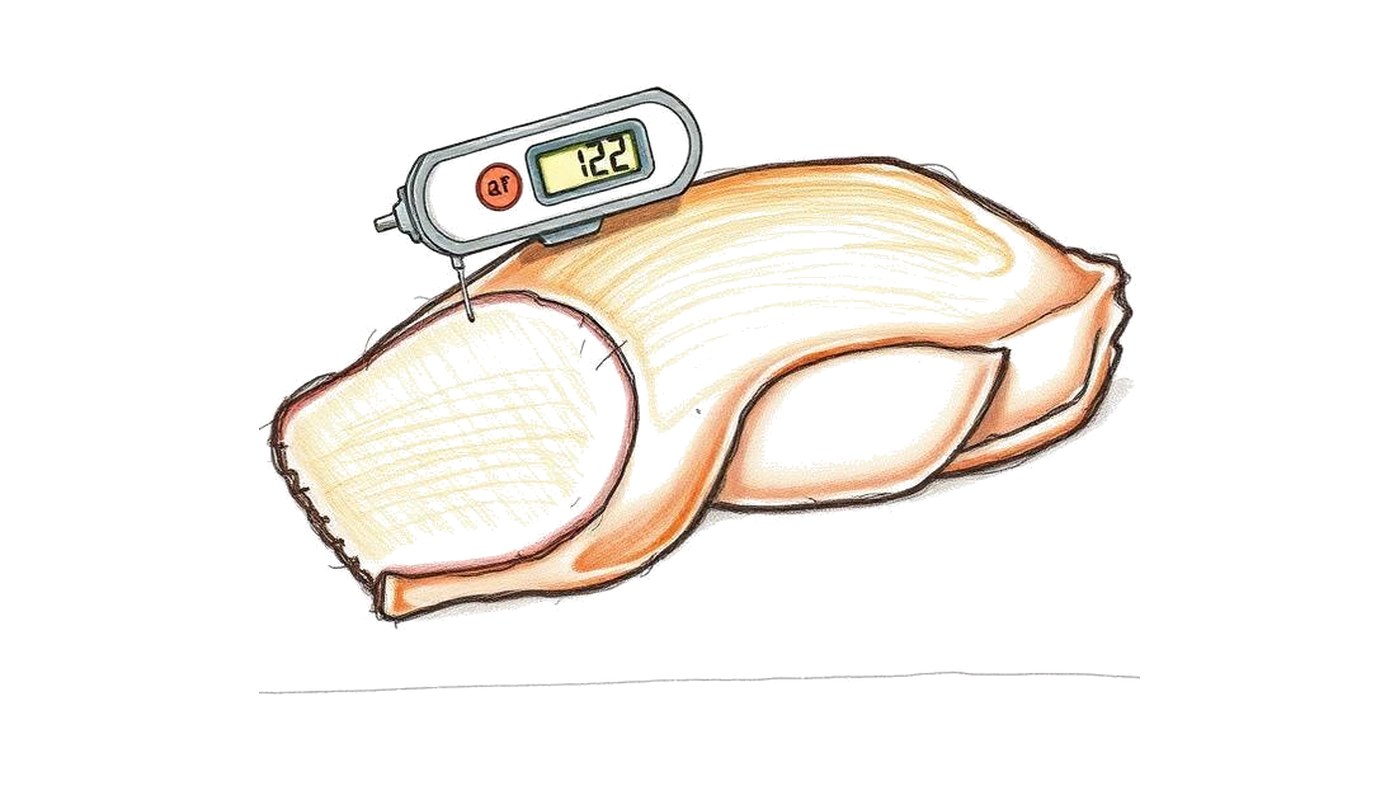
Duck breast tastes best at a rosy medium-rare, which is why restaurants serve it that way and why the pink centre is not a mistake. Taken to the poultry safety minimum of 165°F (74°C) it turns firmer, drier, and noticeably more livery.† Both are legitimate choices — the trade-offs, carryover, and probe placement are covered in duck breast temperature and doneness.
Legs go the other direction. They need long, gentle cooking to break down connective tissue, and only then do they taste the way duck leg should — which is the whole point of confit.
If this is your first duck
Start with a single skin-on breast in a cold pan. It is the fastest route to the flavour everything else on this site builds on, it costs less than a whole bird, and it hands you a jar of rendered fat as a bonus. The method is in our pan-seared duck breast, and if you would rather understand the technique first, read how to cook duck breast.
Common questions
- Does duck taste like chicken?
- No. Duck is all dark meat, denser and richer, and it tastes closer to a lean steak than to chicken. Only the texture of a well-cooked leg is chicken-adjacent.
- Is duck gamey?
- Farmed duck — nearly all duck sold in US stores — is not gamey. It is rich and mildly sweet. Wild duck is a different animal: leaner, darker, and distinctly livery, especially in diving ducks.
- Does duck taste fatty or greasy?
- Only when the fat has not been rendered. Duck fat sits between the skin and the meat, so a slow render leaves crisp skin and clean-tasting meat. Greasiness is a cooking outcome, not a flavour of the bird.
- Which part of duck tastes best?
- The skin, if it is properly crisp. After that, breast for a steak-like slice and leg for deep, savoury, slow-cooked flavour.
- What does duck fat taste like?
- Mildly savoury and faintly sweet, with none of the strong flavour of lard. It reads mostly as richness, which is why potatoes cooked in it taste like better potatoes rather than like duck.
References
- Safe Minimum Internal Temperature Chart — USDA Food Safety and Inspection ServiceAll poultry, including duck and duck pieces, is listed at a 165°F (73.9°C) safe minimum internal temperature.Reference checked 2026-08
- Duck and Goose from Farm to Table — USDA Food Safety and Inspection ServiceHandling, labelling, storage and cooking guidance specific to duck and goose.Reference checked 2026-08
- Duck, domesticated, meat only / meat and skin, cooked, roasted — USDA FoodData Central (SR Legacy)Per 100 g roasted: meat only about 201 kcal, 23.5 g protein, 11.2 g fat; meat with skin about 337 kcal, 19 g protein, 28.4 g fat.Reference checked 2026-08
Related guides
- How to Cook Duck BreastThe cold-pan method, why it works, and how to rescue it when it doesn't.
- Duck Breast Temperature & DonenessWhat the numbers mean, and where safety guidance and kitchen practice differ.
- Duck Game PlanAnswer four questions about the duck in front of you and get one card: the real risk, the critical move, temperature, resting, timing, portions and what to serve.
- Wild Duck vs Farmed DuckWhy farmed-duck technique fails on a wild bird — and what to change.
- Is Duck Healthy?The real numbers for skin-on and skin-off duck, and how duck fat actually compares.
- Pan-Seared Duck BreastScore, render cold, and finish hot for shatteringly crisp skin over a rosy, evenly cooked centre.
- What Cut of Duck to BuyMatch the cut to the dish before you match it to a seller.
- Best Sauces for Duck BreastFive sauce families, and which cooking method each one flatters.