
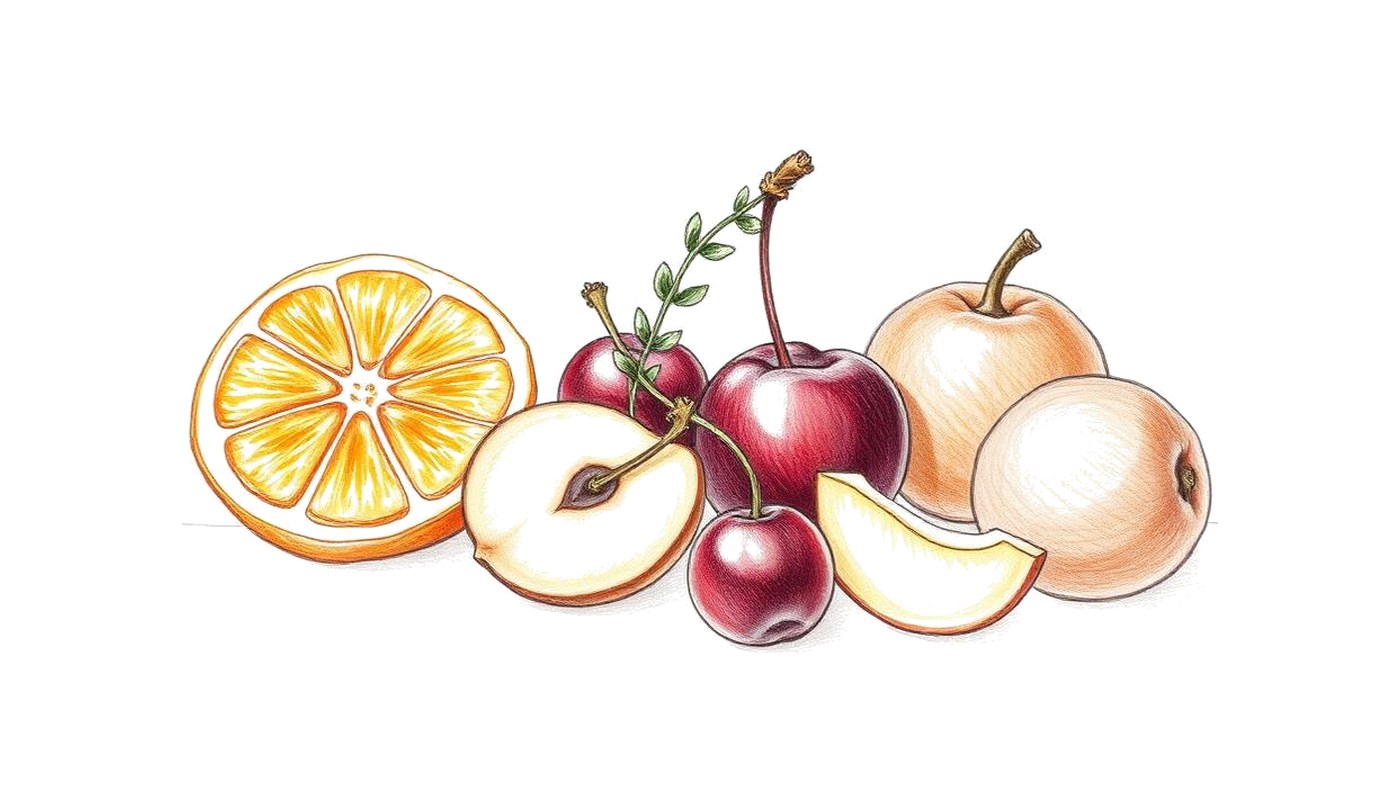
Orange is three ingredients, not one
The reason duck and orange became a canonical pairing — and the reason home versions so often taste like dessert — is that an orange contributes three quite different things, and most cooks only use one of them.
Acid from the juice cuts fat and resets the palate between bites. Aromatic oils in the zest are fat-soluble and intensely perfumed; they read as "orange" far more vividly than juice does, without adding any sugar. Bitterness from the pith and peel — and, in a bitter orange, from the fruit itself — is the structural element that keeps the sauce tasting savoury.
Juice alone gives you sugar and mild acid. That is why a juice-only sauce reduces into something closer to marmalade: you concentrated the sugar and drove off much of the brightness. The fix is to use all three parts of the fruit deliberately.
The balance problem, and how to solve it
A duck-and-orange sauce needs to be simultaneously fruity, savoury, sharp and slightly bitter. Five things do the work, and going short on any one of them shifts the whole sauce toward sweetness.
| Component | Contributes | If you skip it |
|---|---|---|
| Stock (duck or chicken, well reduced) | Savoury base, body, meatiness | The sauce is fruit syrup with no backbone |
| Orange juice, reduced | Fruit character, sweetness, some acid | Not really an orange sauce |
| Zest | Vivid orange aroma with no added sugar | You compensate with more juice — and more sugar |
| Vinegar (sherry, red wine, cider) | The sharpness that stops it cloying | Flat, heavy, sweet |
| Bitterness (peel, bitter orange, a bitter liqueur, or a caramel taken dark) | Complexity and adult, savoury structure | One-dimensional and juvenile-tasting |
Where the sauce goes matters as much as what is in it
Duck's appeal is a textural contrast between crisp skin and tender meat. A sauce spooned over the skin destroys that contrast in seconds. Every good plate of duck à l'orange you have eaten in a restaurant had the sauce under or beside the duck, not on it.
Practically: rest and slice the duck, pool warm sauce on the plate, then lay the slices on top skin-up, or fan them beside the sauce. Serve extra in a jug. The same logic applies to any glossy reduction — see the duck sauce guide for building the sauce itself, and the duck breast guide for timing it against the cook.
If you are glazing rather than saucing a whole bird, an orange glaze goes on only in the final stretch of roasting; sugar plus a long roast in rendering fat means dark, bitter skin well before the duck is done. The whole roast duck guide covers that sequence.
Choosing your orange
| Variety | Character | Best used as |
|---|---|---|
| Bitter / Seville | Sour and genuinely bitter, low in usable sweetness | The traditional backbone of a classic sauce; needs no added acid, may need a little sugar |
| Sweet orange (navel, Valencia) | Sweet, mildly acidic, reliable year-round | The default — add vinegar and lean on zest to compensate for the sweetness |
| Blood orange | Berry-like, slightly deeper, dramatic colour | A sauce where colour is part of the pleasure; pairs well with a red-wine element |
| Mandarin / clementine / satsuma | Very sweet, delicate, low acid, thin fragrant skin | Segments as a garnish and zest for aroma, rather than as the reduction base |
| Marmalade (as a shortcut) | Already sweet and already bitter from the peel | A quick route to the bitter note — but cut the other sweetness back sharply |
Orange without a sauce
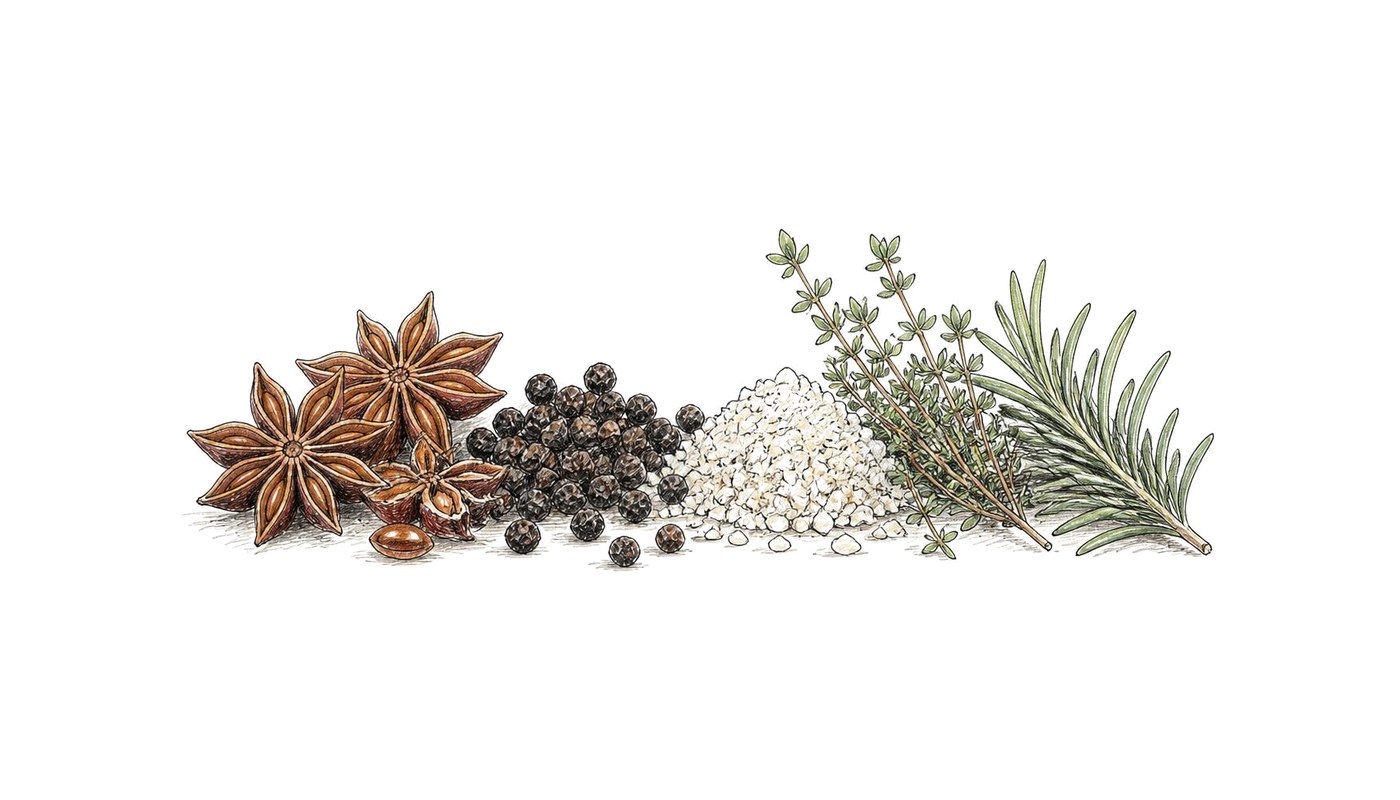
You do not need a reduction to get the pairing. Zest in the salt of a dry brine perfumes the meat. Halved oranges in the cavity of a roasting bird scent it from inside. Orange segments in a bitter-leaf salad — chicory, radicchio, watercress — served alongside duck does the balancing job on the plate rather than in the pan, and keeps the skin fully crisp. Fennel and orange together is a particularly good side for duck for the same reason.
For which greens and starches suit which method, the sides guide and the Duck Pairing Finder will get you to a full plate.
Failure modes at a glance
Cloying. Too much reduced juice, not enough vinegar, stock or bitterness.
Harsh and puckering. Too much vinegar or unripe zest with white pith attached. Zest only the coloured layer.
Thin and watery. The stock was not reduced enough. Body comes from reduced stock, not from the fruit.
Soggy skin. The sauce went over the duck. Put it underneath next time.
Common questions
- Why does my orange sauce taste like marmalade?
- Almost always too much reduced juice and not enough savoury or acidic support. Orange juice concentrates its sugar as it reduces. Build the sauce on stock, add vinegar, and use zest for aroma so you need less juice.
- Should I put the sauce over the duck skin?
- No, if you worked for crisp skin. Pool the sauce on the plate and set the duck on or beside it, skin exposed. Sauce over skin softens it within a minute.
- Is bitter orange necessary for a classic version?
- It is the traditional choice and it is genuinely different — bitterness gives the sauce backbone against duck fat. Bitter or Seville oranges are seasonal and hard to find in many places; the usual workaround is sweet orange plus extra acid and a little bitterness from another source, such as marmalade made with peel or a splash of Campari-style bitter.
Related guides
- Best Sauces for Duck BreastFive sauce families, and which cooking method each one flatters.
- The Best Acids for DuckWhy acid does more for duck than any other seasoning decision.
- How to Cook Duck BreastThe cold-pan method, why it works, and how to rescue it when it doesn't.
- Whole Roast DuckThe full workflow, from dry-fridge prep to a rested, carvable bird.
- Cherry, Plum & Stone Fruit With DuckFruit acidity, tannin and sugar matched to the way you cooked the duck.
- Duck à l’OrangeA whole duck roasted in two stages, served with a bitter-orange gastrique built from the pan drippings — sharp and glossy rather than sweet.